Reptiles & Amphibians
Western Hognose Snake
Heterodon nasicus
Care level
Beginner
Lifespan
15 to 20 years
Adult size
Males 38 to 60 cm, females 60 to 90 cm or more
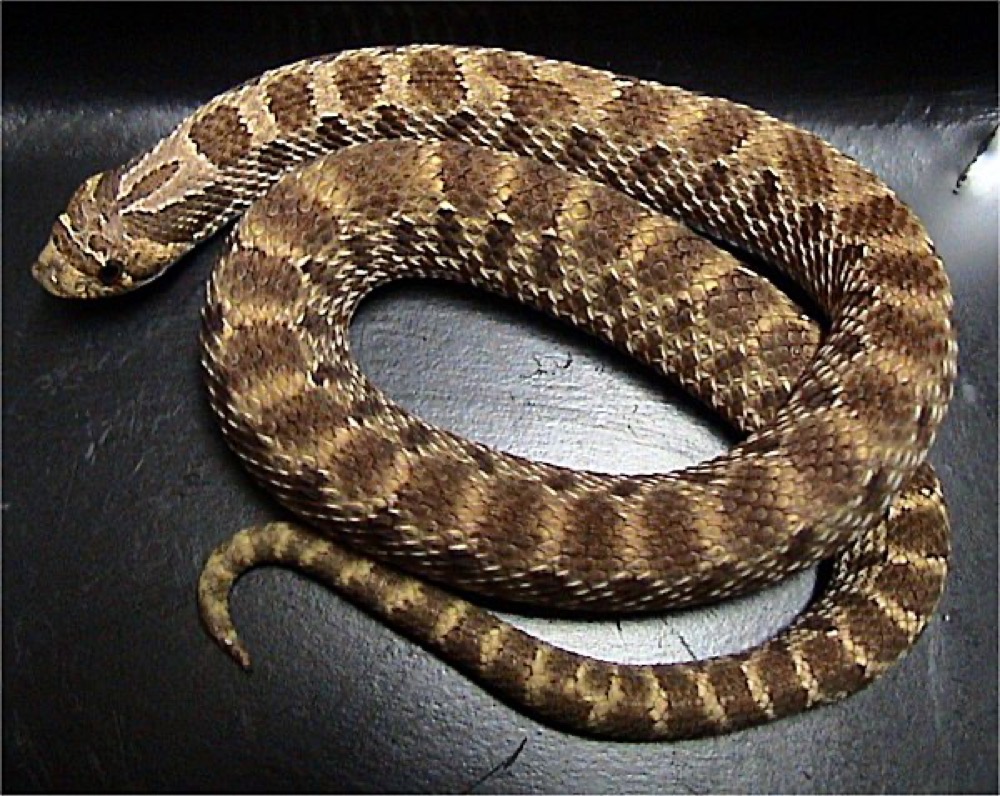
A small, charismatic North American snake with an upturned, shovel-shaped snout used for digging in sandy soil. Hognoses are famous for their dramatic bluff: they hiss, flatten a cobra-like hood and, if that fails, may roll over and play dead with the mouth open. They are rear-fanged with a mild saliva that helps subdue amphibian prey but is harmless to healthy people, making them a fascinating and manageable pet snake.
Housing & setup
An adult female is comfortable in a front-opening enclosure of at least 90 x 45 x 30 cm, with males needing a little less; a secure lid is important as they can push at gaps. Provide a deep, dry, burrow-friendly substrate such as aspen or a topsoil and sand mix at least 8 to 10 cm deep so the snake can dig, which is a key natural behaviour. Add at least two snug hides (warm and cool), a humid hide for shedding, low decor and a modest water bowl. This is an arid-habitat digger, so cover and diggable substrate matter more than open space.
Diet & feeding
A carnivore that eats whole rodents. Offer an appropriately sized frozen-then-thawed mouse (about the width of the snake's body) rather than live prey. Feed hatchlings every 5 to 7 days and adults every 7 to 10 days, taking care not to overfeed as hognoses gain weight easily. Some individuals, being natural amphibian eaters, may need prey lightly scented with tuna or frog to start feeding. Always thaw and warm prey thoroughly and avoid handling for a day or two after a meal.
Temperature, light & environment
Provide a warm basking zone of 32 to 35 C and a cool end of 21 to 24 C, with a natural night drop; use an overhead heat source on a thermostat rather than an unregulated mat. UVB is not essential but a low-output tube giving a basking UVI of about 2.0 to 3.0 is increasingly recommended for welfare and D3 synthesis. Keep this arid species relatively dry at around 30 to 50 percent humidity, providing a single humid hide for shedding rather than misting the whole enclosure. Run a 12-hour light cycle. Chronic damp causes scale and respiratory problems.
Company & handling
Solitary. House hognoses one per enclosure, as cohabiting causes stress, feeding competition and the risk of accidental cannibalism given their strong feeding response. They tolerate gentle, regular handling well and rarely bite defensively, though their theatrical bluffing and death-feign should be understood as a harmless display, not aggression. Give a few days rest after feeding and during shedding.
Enrichment & exercise
Offer a deep diggable substrate, multiple hides and low clutter so the snake can burrow, ambush and thermoregulate. Rearranging decor, adding new hides and occasional novel scents encourage natural exploring and digging. Watching a hognose bulldoze through its substrate with that upturned snout is one of the joys of keeping the species.
Common health problems
Obesity
Signs: Visible rolls of fat, a broad flattened body, reluctance to move, difficulty seeing the neck taper
Prevention: Feed appropriately sized prey on a sensible schedule, avoid oversized or too-frequent meals, and provide space to move and dig
Respiratory infection
Signs: Open-mouth breathing, wheezing or clicking, mucus or bubbles at the mouth, holding the head up
Prevention: Keep the enclosure warm and dry, avoid cold damp conditions, and provide good ventilation
Dysecdysis (retained shed)
Signs: Skin coming off in patches, retained eye caps, a stuck tail tip
Prevention: Provide a humid hide during shedding, ensure good hydration, and keep a rough surface to rub against
Mouth rot (infectious stomatitis)
Signs: Redness, swelling or cheesy discharge in the mouth, reluctance to eat, drooling
Prevention: Keep husbandry and temperatures correct, avoid mouth injuries, and treat any early infection promptly
See a vet urgently if...
- !Open-mouth breathing, wheezing or mucus (respiratory infection)
- !Refusing several meals with weight loss (not the same as normal seasonal fasting)
- !Swollen mouth with discharge or unwillingness to eat (mouth rot)
- !Regurgitating meals repeatedly
- !Marked obesity or difficulty moving
In Macau
Western hognoses are arid-habitat snakes, so Macau's humidity is the main challenge: keep the enclosure well ventilated and relatively dry, confine moisture to a shedding hide, and watch for scale rot in the wet season. Summer heat can push temperatures too high, so keep the cool end near 22 C with a thermostat. Replace any UVB bulb every 6 to 12 months, and choose captive-bred animals, which are the norm and come in many colour morphs.
When threatened a hognose puts on an Oscar-worthy performance: first it hisses and spreads a hood like a tiny cobra, and if the bluff fails it flips onto its back, gapes, and even emits a foul musk to convincingly play dead.
Questions about your exotic pet?
Our team sees small mammals, birds, reptiles and fish. Book a wellness check or a species consult.
Book an exotic consultRelated care sheets
General guidance reviewed by the Royal Veterinary Center team. Not a substitute for a veterinary examination. Always confirm species-specific and legal requirements for Macau.