Reptiles & Amphibians
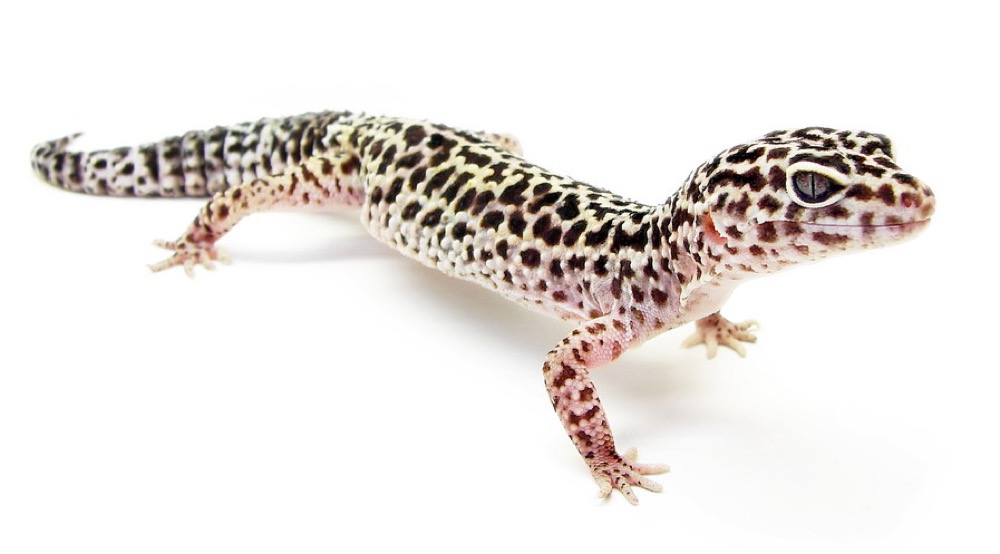
Leopard Gecko
Eublepharis macularius
Care level
Beginner
Lifespan
15 to 20 years, sometimes longer
Adult size
20 to 25 cm including tail
A hardy, ground-dwelling desert gecko and one of the best first reptiles. They are crepuscular (active at dawn and dusk), have eyelids and no sticky toe pads, and store fat in a plump tail. Calm and easy to handle once settled, they still need real heat, calcium and a proper thermal gradient to thrive.
Housing & setup
A single adult needs a front-opening terrarium of at least 90 x 45 x 45 cm (larger is always better); glass or PVC holds heat well. Use a naturalistic substrate that holds a little moisture such as a topsoil and play-sand mix, or bioactive soil with a clean-up crew, and avoid loose calci-sand and walnut shell which cause impaction. Provide at least three hides: a warm hide, a cool hide, and a humid hide filled with damp sphagnum moss to aid shedding. Add a shallow water dish plus flat stones, cork bark and low branches for basking and exploring.
Diet & feeding
Insectivore. Staple feeders are appropriately sized crickets, dubia roaches, black soldier fly larvae and the occasional mealworm; hornworms and waxworms are treats only. Gut-load feeders for 24 to 48 hours on vegetables and commercial gut-load, and dust with a plain calcium powder at most feeds plus a calcium-with-D3 or multivitamin one to two times per week. Feed juveniles daily and adults every two to three days; a small dish of plain calcium can be left in the enclosure.
Temperature, light & environment
Provide a warm-end surface basking zone of 30 to 33 C (measured on the ground where they belly-warm) and a cool end of 22 to 25 C, with a gentle night drop to around 18 to 21 C. Use an overhead halogen basking bulb on a thermostat plus a low-output UVB tube (Ferguson Zone 1, basking UVI around 0.5 to 1.0; keep albino and other pale morphs at the lower end as they burn easily); avoid heat-mat-only setups because belly heat without proper air and overhead warmth is outdated and risky. Keep ambient humidity around 30 to 40 percent with a humid hide microclimate near 70 percent, and run lights on a 12-hour on, 12-hour off cycle.
Company & handling
Solitary and territorial. House one per enclosure; two females may fight over resources and two males will fight, while males housed with females leads to constant breeding stress. Handling is well tolerated with gentle, low, supported holds, but never grab or dangle by the tail as it will drop.
Enrichment & exercise
Rotate hides and add cork tubes, rock ledges and low climbing branches for a stable, complex layout. Encourage natural hunting by offering some feeders loose to chase, and provide a dig-friendly substrate so they can burrow and thermoregulate between microclimates.
Common health problems
Metabolic bone disease (MBD)
Signs: Rubbery or bent jaw, tremors, weak or bowed limbs, difficulty walking, soft lumpy bones
Prevention: Consistent calcium dusting, correct low-level UVB, and a proper warm basking zone so calcium is absorbed and used
Impaction
Signs: Straining, no droppings, hard belly, bloating, loss of appetite
Prevention: Avoid loose sand and walnut shell, keep the warm end hot enough to digest, and feed correctly sized prey no wider than the space between the eyes
Dysecdysis (retained shed)
Signs: Stuck skin especially on toes, tail tip and around eyes, constricted digits, dull patchy skin
Prevention: Provide a moist hide and adequate humidity, and gently soak the gecko if shed is retained
Cryptosporidiosis and other GI infection
Signs: Progressive weight loss, thin stick-tail, regurgitation, chronic runny droppings
Prevention: Buy captive-bred stock, quarantine new animals, keep hygiene high, and see an exotics vet with a faecal test for chronic wasting
See a vet urgently if...
- !Rubbery or soft jaw, tremors or wobbly weak limbs (possible MBD)
- !Rapid thinning of the tail with ongoing weight loss
- !Straining with no droppings or a bloated hard belly (impaction)
- !Not eating for more than two weeks in a settled adult
- !Any prolapse of tissue from the vent
In Macau
Macau's warm climate can help maintain ambient temperatures, but in summer indoor enclosures can dangerously overheat, so use a thermostat and air conditioning and watch the cool end stays near 24 C. Replace UVB bulbs every 6 to 12 months even if they still glow, and always buy captive-bred geckos from reputable sources to avoid disease and wild collection.
Leopard geckos can voluntarily drop their tail to escape a predator and grow a new one, though the regrown tail is fatter and smoother than the original.
Questions about your exotic pet?
Our team sees small mammals, birds, reptiles and fish. Book a wellness check or a species consult.
Book an exotic consultRelated care sheets
General guidance reviewed by the Royal Veterinary Center team. Not a substitute for a veterinary examination. Always confirm species-specific and legal requirements for Macau.