Reptiles & Amphibians
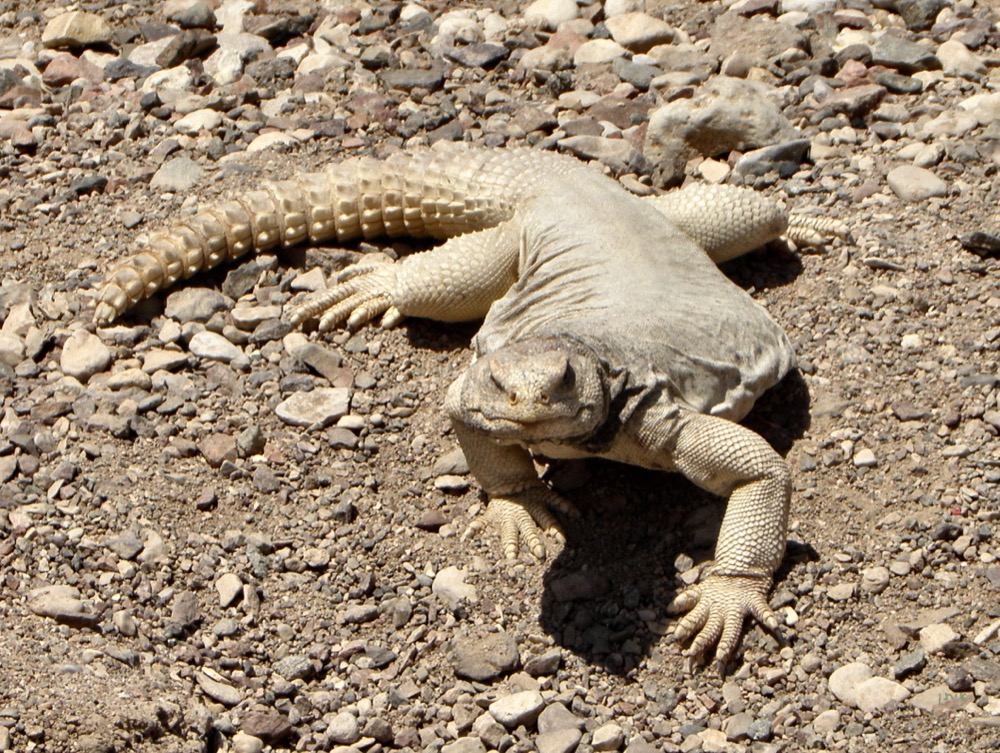
Uromastyx (Saharan Spiny-Tailed Lizard)
Uromastyx geyri
Care level
Intermediate
Lifespan
15 years or more, often 20 plus
Adult size
25 to 40 cm including the spiny tail
A sun-worshipping, herbivorous desert lizard from the Sahara with a stout body and a thick, armoured, spiny tail used for defence. Uromastyx bask at extraordinarily high temperatures, feed almost entirely on plants and seeds, and are active, personable and long-lived when their intense heat and UVB needs are met. The Saharan or yellow uromastyx is one of the most colourful and commonly kept species.
Housing & setup
These active desert lizards need a large, dry, well-ventilated enclosure: a single adult needs a minimum footprint of about 120 x 60 x 45 cm, with bigger strongly preferred. Use a substrate that allows digging and holds a burrow shape, such as a washed play sand and topsoil mix, and provide a raised basking rock or slab directly under the heat lamp, plus hides at both the hot and cool ends and a burrow. A shallow water source is offered occasionally, but the environment must stay arid. Good airflow prevents the damp that this species cannot tolerate.
Diet & feeding
A strict herbivore. The staple is a wide variety of leafy greens, flowers and vegetables such as dandelion, collard, mustard and turnip greens, rocket, endive, hibiscus and squash, offered daily. Add a regular portion of dry lentils and other pulses and a seed mix, which uromastyx relish, and dust greens lightly with calcium. Do not feed animal protein or insects to adults, as this causes gout and kidney disease, and avoid excess fruit. They obtain most of their water from food, so hydration comes from fresh greens rather than a bowl.
Temperature, light & environment
This is one of the hottest-basking pet reptiles. Provide a basking surface of 49 to 55 C using an overhead halogen flood on a thermostat, with a warm ambient of about 35 to 40 C and a cool end of 27 to 30 C, dropping to roughly 21 to 26 C at night with no night heat lamp. Strong UVB is essential: use a high-output T5 tube (around 12 to 14 percent) to give a basking UVI of about 4.5 to 6.0 (Ferguson Zone 3 to 4) at the lizard's back. Keep humidity very low, under about 35 percent, with excellent ventilation, and run a 12 to 14 hour photoperiod.
Company & handling
Best kept singly unless you have a very large enclosure and experience. Males are territorial and will fight, and mixed groups can bully weaker animals away from the essential basking spot, leading to decline. A single uromastyx is content and easy to monitor. They are generally calm and become tame with gentle, regular handling, often basking readily and recognising their keeper at feeding time.
Enrichment & exercise
Provide a deep diggable substrate for burrowing, basking rocks at different heights, hides and a network of tunnels to explore, all of which express natural desert behaviour. Scatter-feed seeds and greens to encourage foraging, offer edible flowers, and give as much floor space as possible for this active grazer to roam and thermoregulate.
Common health problems
Metabolic bone disease (MBD)
Signs: Soft or swollen jaw, bumpy or bowed limbs, tremors, weak legs, difficulty lifting the body
Prevention: Provide strong correctly mounted UVB replaced on schedule, a very hot basking zone, and calcium-dusted greens
Gout and kidney disease
Signs: Swollen painful joints, stiffness, lethargy, reluctance to move, loss of appetite
Prevention: Feed a strict low-protein herbivorous diet with no insects or animal protein, and ensure adequate hydration from fresh greens
Impaction
Signs: Straining, no droppings, bloating, sluggishness, dragging hind legs
Prevention: Keep the basking zone very hot to aid digestion, avoid feeding on loose fine sand, and maintain a varied fibrous diet
Respiratory infection
Signs: Open-mouth breathing, mucus or bubbles from the nose or mouth, puffing, lethargy
Prevention: Keep the enclosure hot, dry and well ventilated, and avoid damp cold conditions and high humidity
See a vet urgently if...
- !Soft, swollen jaw or bendy limbs (MBD)
- !Swollen, painful joints and stiffness (gout)
- !Open-mouth breathing with mucus (respiratory infection)
- !Straining with no droppings (impaction)
- !Refusing food for more than one to two weeks with weight loss
In Macau
Uromastyx need blistering basking heat and bone-dry air, which is the opposite of Macau's humid summers, so a very well ventilated, dehumidified room and careful monitoring are important to prevent respiratory disease. A hot summer room combined with a powerful basking lamp can push a closed enclosure to dangerous temperatures, so use thermostats and check the cool end. Replace the strong UVB tube every 6 to 12 months. Uromastyx are listed on CITES Appendix II, so buy only legally sourced, ideally captive-bred animals with paperwork.
A uromastyx defends its burrow by diving in headfirst and swinging its heavily armoured, spiky tail like a club to block the entrance, and the name literally means tail whip.
Questions about your exotic pet?
Our team sees small mammals, birds, reptiles and fish. Book a wellness check or a species consult.
Book an exotic consultRelated care sheets
General guidance reviewed by the Royal Veterinary Center team. Not a substitute for a veterinary examination. Always confirm species-specific and legal requirements for Macau.