Small Mammals
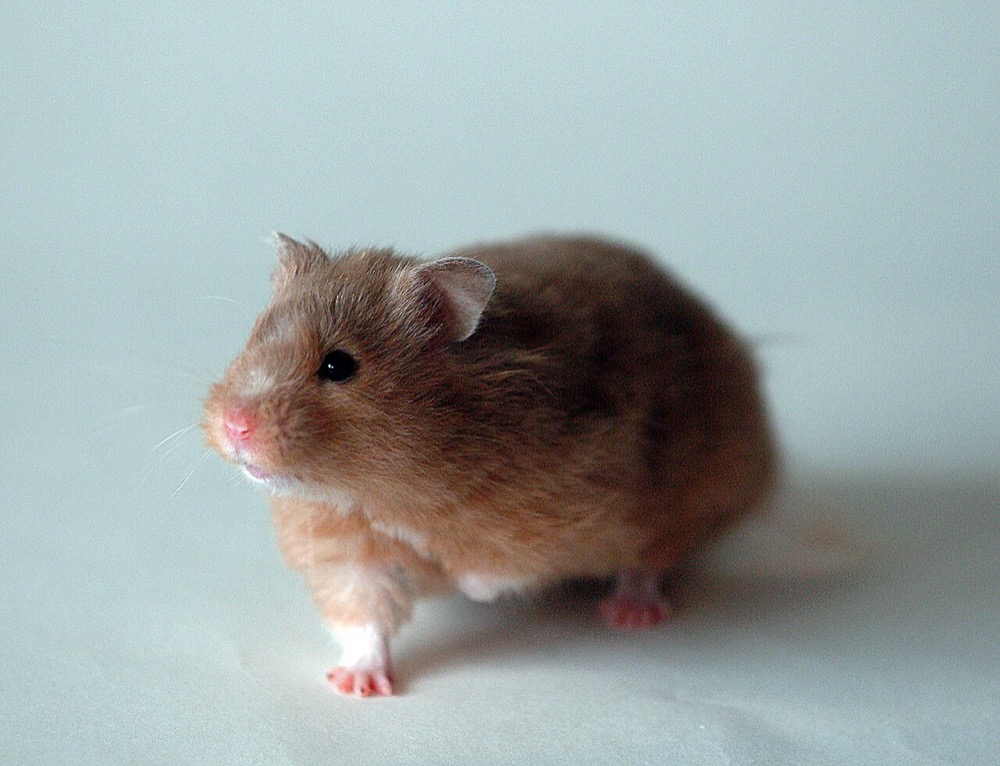
Syrian Hamster
Mesocricetus auratus
Care level
Beginner
Lifespan
2 to 3 years
Adult size
120 to 200 g
The Syrian hamster, also called the golden or teddy bear hamster, is a popular first pet that is curious, tameable and endlessly entertaining to watch. They are strictly solitary and need much more space than the tiny cages sold in shops. Given room to burrow and a big wheel, they reveal wonderfully busy natural behaviour.
Housing & setup
Provide as much continuous, unbroken floor space as possible: a minimum of about 5000 square centimetres (for example 100 by 50 cm) is now the accepted welfare standard, and bigger is better. Fill the base with at least 20 to 30 cm of paper or aspen bedding for deep burrowing, and add a solid, silent running wheel of at least 20 cm diameter to protect the spine. Include a multi chamber hide, a sand bath and chew items, and avoid tube heavy cages that lack real floor area.
Diet & feeding
Feed a good quality hamster seed and grain mix as the staple, scattered to encourage foraging, alongside a little fresh vegetable and occasional protein such as a mealworm or plain cooked egg. Provide a constant supply of clean water from a bottle or bowl. Small daily portions suit them, and they will naturally hoard food in their cheek pouches and store it in a larder. Avoid sugary treats, citrus, and sticky foods that can pack into and injure the cheek pouches.
Temperature, light & environment
Keep the room at about 18 to 24 degrees Celsius, away from direct sun, radiators and draughts, as hamsters can enter a dangerous torpor if they get too cold. They are nocturnal and need genuine darkness and quiet during the day to sleep. Keep humidity moderate and ensure good ventilation without a draught over the cage.
Company & handling
Syrian hamsters are fiercely solitary and must live completely alone: adults will fight, sometimes fatally, if housed together. They can become tame and enjoy gentle handling once they trust you, best begun by letting them walk onto your hands in the evening when awake. Never wake a sleeping hamster abruptly, as a startled hamster may nip.
Enrichment & exercise
Deep bedding for burrowing and a large wheel are the two most important forms of enrichment. Add tunnels, cork logs, cardboard, willow chews, scatter fed food and a sand bath for digging and coat care. Supervised time in a secure playpen or hamster ball substitute lets them explore safely.
Common health problems
Wet tail (proliferative ileitis)
Signs: Watery diarrhoea, wet soiled tail area, lethargy, hunched posture, loss of appetite
Prevention: Reduce stress, keep housing clean, avoid diet changes and seek urgent vet care as it can be rapidly fatal
Cheek pouch impaction
Signs: Persistently swollen cheek, drooling, difficulty eating, pawing at the face
Prevention: Avoid sticky, sharp or sugary foods and provide appropriately sized, dry foods
Overgrown teeth
Signs: Drooling, weight loss, dropping food, difficulty eating, visible long incisors
Prevention: Provide constant chew materials and a suitable diet to wear the incisors, with vet trims if needed
Skin tumours and abscesses
Signs: Lumps, swellings, hair loss, sores or scabs on the skin
Prevention: Regular gentle health checks, clean housing and prompt veterinary assessment of any new lump
See a vet urgently if...
- !Watery diarrhoea or a wet, soiled tail
- !Not eating or drinking for more than 12 hours
- !Laboured breathing or wheezing
- !Sudden lethargy, wobbling or unresponsiveness when awake
- !A rapidly growing lump or bleeding wound
In Macau
Macau's summer heat is a real risk, so keep the enclosure in an air conditioned room and out of direct sun, since overheating stresses hamsters quickly. Large enclosures and deep bedding can be hard to source locally, so plan to buy a suitably big tank or bin cage online before bringing one home.
Nearly all pet Syrian hamsters descend from a single litter caught in Syria in 1930, making them one of the most closely related pet populations on earth.
Questions about your exotic pet?
Our team sees small mammals, birds, reptiles and fish. Book a wellness check or a species consult.
Book an exotic consultRelated care sheets
General guidance reviewed by the Royal Veterinary Center team. Not a substitute for a veterinary examination. Always confirm species-specific and legal requirements for Macau.