Small Mammals
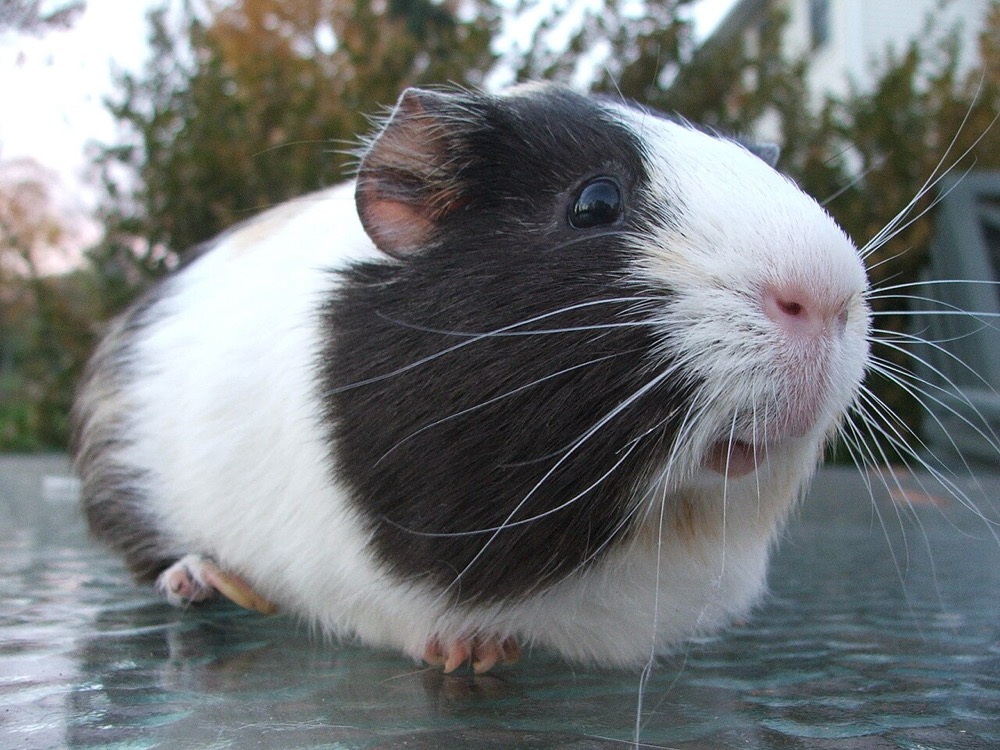
Guinea Pig
Cavia porcellus
Care level
Beginner
Lifespan
5 to 7 years
Adult size
700 g to 1.2 kg
Guinea pigs are gentle, chatty and rewarding companions that recognise their owners and greet mealtimes with an excited wheek. They are a wonderful family pet but have two firm rules: they must live with other guinea pigs, and they need vitamin C every day. With good care they are hardy and expressive little characters.
Housing & setup
Provide a large single level cage with a solid floor: a minimum of about 0.7 square metres (roughly 120 by 60 cm) for a pair, and bigger is always better. Use soft absorbent bedding such as paper based litter or fleece over an absorbent layer, and avoid wire floors and cedar or pine shavings. Include at least one hide per pig so no one feels cornered, plus a hay rack and a heavy tip proof water and food bowl.
Diet & feeding
Unlimited grass hay is the foundation of the diet and is vital for digestion and dental wear. Add a daily cup of fresh vegetables rich in vitamin C such as bell pepper and leafy greens, plus a small measured portion of plain vitamin C fortified guinea pig pellets. Crucially, guinea pigs cannot make their own vitamin C and need roughly 10 to 30 mg daily, so supplement through fresh food or drops as your vet advises. Avoid muesli mixes, fruit in excess and any rabbit food, and never rely on vitamin drops in water alone as they degrade quickly.
Temperature, light & environment
Keep guinea pigs at a stable 17 to 23 degrees Celsius: they tolerate neither heat above about 26 degrees Celsius nor cold draughts well, and high humidity worsens heat stress. Provide good ventilation without draughts and a calm, predictable light and dark cycle. They are ground dwellers that feel safest with plenty of cover and quiet surroundings.
Company & handling
Guinea pigs are herd animals and should never be kept alone: keep a same sex pair or a small compatible group, or a neutered male with females. Two females or a neutered male and female usually pair most easily, and any introductions should be done slowly on neutral ground. They generally tolerate gentle handling well once trust is built, supporting the whole body when lifted.
Enrichment & exercise
Offer floor time in a safe playpen, tunnels, hay filled boxes, chew safe wood and forage hidden in hay to encourage natural foraging. Rotate hides and add ramps or platforms at ground safe heights. Regular gentle interaction and a companion pig are the biggest enrichment of all.
Common health problems
Vitamin C deficiency (scurvy)
Signs: Reluctance to move, swollen or painful joints, poor coat, bleeding gums, weight loss, poor appetite
Prevention: Daily dietary vitamin C from fresh food, fortified pellets or vet advised drops given directly, not in water
Dental malocclusion
Signs: Drooling, dropping food, weight loss, difficulty chewing, wet chin
Prevention: Constant hay for grinding, balanced diet and regular exotic vet dental checks
Respiratory infection (pneumonia)
Signs: Sneezing, nasal or eye discharge, laboured breathing, lethargy, loss of appetite
Prevention: Good ventilation, dust free bedding, stable warmth, avoiding draughts and prompt treatment
Bumblefoot (pododermatitis)
Signs: Red, swollen, scabbed footpads, limping, reluctance to walk
Prevention: Soft clean dry bedding, no wire floors, weight control and regular cage cleaning
See a vet urgently if...
- !Not eating or drinking for more than 12 hours
- !No droppings or watery diarrhoea
- !Laboured or open mouth breathing
- !Sudden weakness, dragging limbs or inability to move
- !Bleeding gums or obvious severe pain
In Macau
Guinea pigs cope poorly with Macau's summer heat and humidity, so keep them in an air conditioned room and never near a sunny window. Source vitamin C rich vegetables and fortified pellets locally, and confirm your vet stocks or can advise on vitamin C supplements before adopting.
Guinea pigs are born fully furred with open eyes and can run and nibble solid food within hours, one of the most developed newborns of any small pet.
Questions about your exotic pet?
Our team sees small mammals, birds, reptiles and fish. Book a wellness check or a species consult.
Book an exotic consultRelated care sheets
General guidance reviewed by the Royal Veterinary Center team. Not a substitute for a veterinary examination. Always confirm species-specific and legal requirements for Macau.