Small Mammals
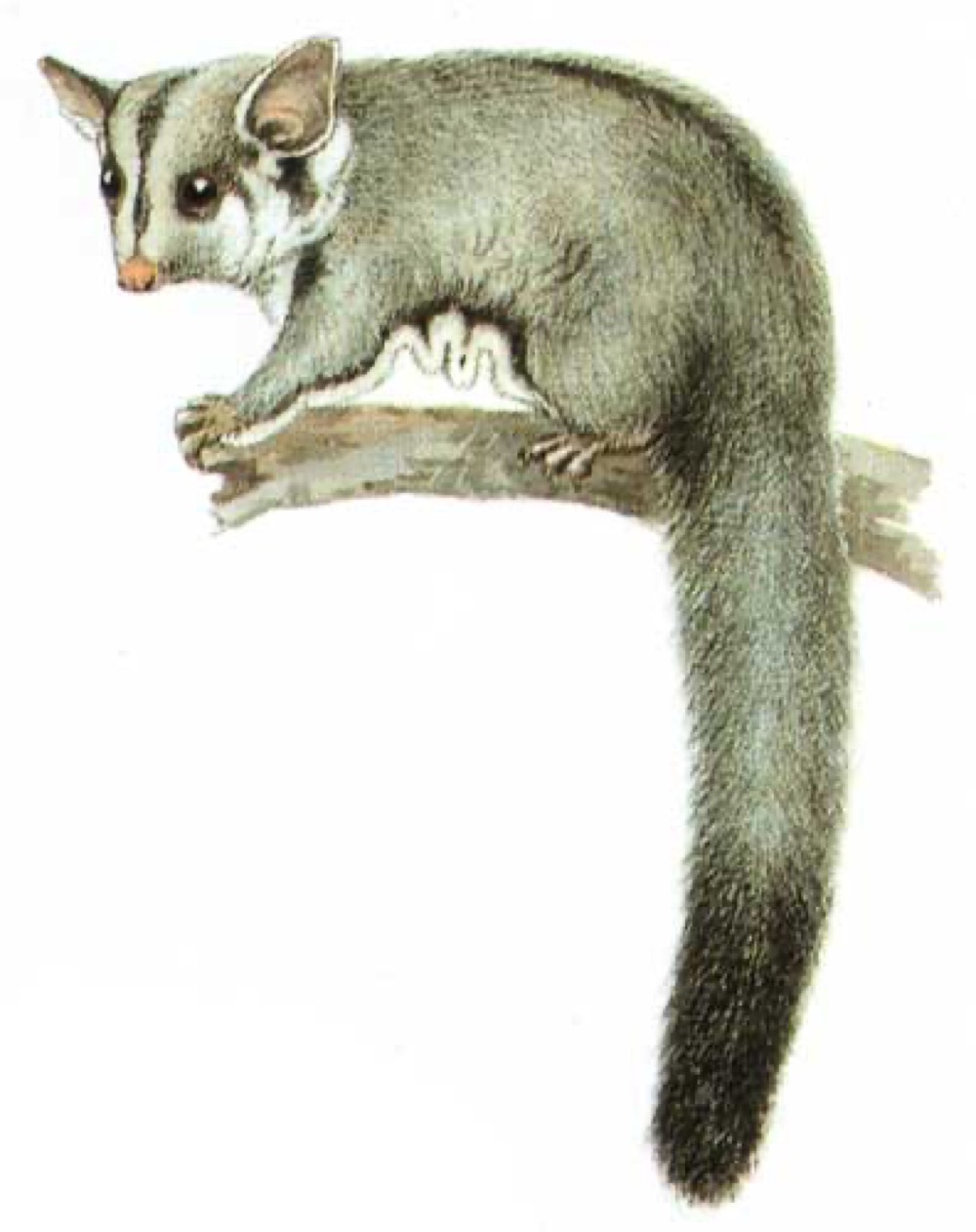
Sugar Glider
Petaurus breviceps
Care level
Advanced
Lifespan
10 to 15 years
Adult size
Body about 12 to 16 cm plus a similar length tail, weight 90 to 160 g
Sugar gliders are tiny, nocturnal marsupials from Australia and New Guinea that glide between trees on a furred membrane stretched between wrist and ankle. They are intensely social colony animals, so a single glider kept alone becomes stressed and can self harm, which is why they must always be kept in a bonded pair or group. They are charming but genuinely demanding, needing a tall cage, a carefully balanced specialist diet and a decade or more of commitment.
Housing & setup
Height matters far more than floor space, so provide a tall cage, at least around 60 cm wide by 60 cm deep by 90 cm high and taller if possible, with narrow bar spacing they cannot squeeze through. Fill the vertical space with branches, ropes, ladders, a solid safe wheel and one or more cosy fabric nest pouches high up, since gliders sleep the day away curled together. Use paper based bedding, keep it clean because they scent mark, and site the cage in a warm, quiet room out of direct sun and draughts.
Diet & feeding
Diet is the hardest part of glider care and the most common cause of illness, so follow one proven complete plan rather than improvising: a wombaroo style nectar or High Protein Wombaroo (HPW) mix, a Bourbon's Modified Leadbeater's (BML) diet, or an equivalent, paired with gut loaded insects such as crickets and mealworms, plus a small amount of fresh fruit and vegetables. A correct calcium to phosphorus ratio of about 2 to 1 is critical, so insects must be gut loaded or dusted with a calcium supplement. Never feed a diet of just fruit, seed mixes or hamster food, all of which cause serious calcium deficiency. Fresh water must always be available.
Temperature, light & environment
Sugar gliders are strictly nocturnal and need dark, undisturbed days to sleep and lively interaction at night. Keep them warm and stable at about 24 to 27 degrees Celsius, as temperatures below roughly 18 degrees Celsius can push them into a dangerous torpor while excessive heat and humidity are also harmful. Provide gentle warmth, good ventilation and a consistent light and dark cycle, and never expose the cage to direct sun.
Company & handling
This is the single most important welfare point: sugar gliders are colony animals and must never be kept alone, always living in at least a bonded pair or small group, with males best neutered to prevent fighting and unwanted litters. A lonely glider commonly develops stress, depression and self mutilation. They bond strongly to their own kind and to a patient owner through shared scent, so carry pouches and slow gentle handling help build trust, but company of their own species cannot be replaced by human attention alone.
Enrichment & exercise
Gliders need height, movement and foraging to stay well, so offer branches to climb, ropes and a safe solid wheel, plus regular supervised glide and play time in a fully glider proofed room. Rotate foraging toys, puzzle feeders and safe natural browse, and hide insects and food around the cage to mimic natural hunting. Nest pouches and hammocks give the security they crave.
Common health problems
Metabolic bone disease (nutritional secondary hyperparathyroidism)
Signs: Hind leg weakness or dragging, trembling, reluctance to climb, fractures and in severe cases seizures
Prevention: Feed a complete calcium correct diet with a 2 to 1 calcium to phosphorus ratio and always gut load or dust feeder insects with calcium
Obesity and fatty liver
Signs: Excess weight, a bulging belly, low energy and a dull coat, often from too much fruit or sugary treats
Prevention: Follow a measured proven diet plan, keep treats tiny and provide plenty of climbing and gliding exercise
Self mutilation and stress
Signs: Over grooming, biting at the tail or genitals, open wounds, pacing, loud stress crabbing and appetite loss
Prevention: Never house a glider alone, keep at least a bonded pair, and provide enrichment, security and a stable routine
Dental and gum disease
Signs: Bad breath, drooling, dropping food, facial swelling and reduced appetite
Prevention: Avoid a sticky high sugar diet, offer appropriate insects and browse, and arrange regular exotic vet checks
See a vet urgently if...
- !Hind leg weakness, dragging limbs, tremors or seizures
- !Not eating or a sudden drop in appetite
- !Fresh self inflicted wounds or obsessive over grooming
- !Laboured breathing, cold to the touch or unresponsive
- !A companion glider that is being attacked or excluded
In Macau
Sugar gliders are legal to keep as pets in Macau. Because they are intensely social, never buy a single, unbonded animal; keep a bonded pair or small group. Macau's hot, humid summers demand air conditioning to avoid heat stress while still keeping them warm year round, and both specialist glider food and an experienced exotics vet can be hard to source locally, so line these up in advance. Note that elsewhere sugar gliders are restricted or banned in some jurisdictions.
A sugar glider can glide more than 50 metres between trees, steering and braking with its tail by stretching a furred membrane called the patagium from its wrists to its ankles like a living parachute.
Questions about your exotic pet?
Our team sees small mammals, birds, reptiles and fish. Book a wellness check or a species consult.
Book an exotic consultRelated care sheets
General guidance reviewed by the Royal Veterinary Center team. Not a substitute for a veterinary examination. Always confirm species-specific and legal requirements for Macau.