Reptiles & Amphibians
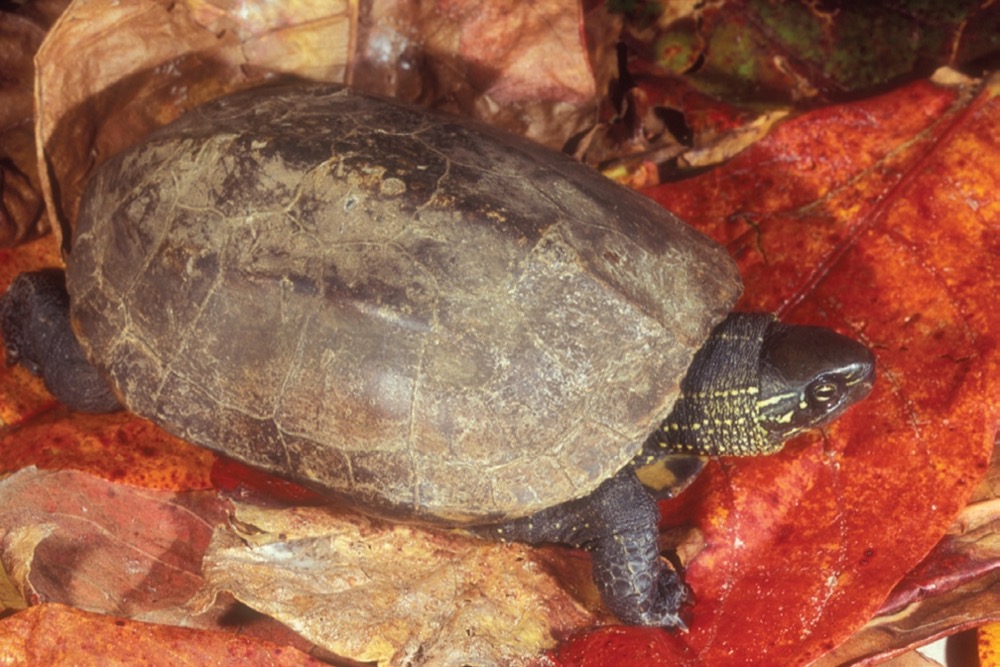
Reeves' Turtle (Chinese Pond Turtle)
Mauremys reevesii
Care level
Intermediate
Lifespan
20 years or more
Adult size
15 to 23 cm, females larger than males
A small, hardy East Asian freshwater turtle with a keeled, three-ridged shell, native to China, Korea and Japan and long kept in the region, which makes it especially relevant to Macau. Reeves' turtles are personable, relatively cold-tolerant and modest in size, spending their time between slow water and a basking site. Wild populations have declined sharply, so responsible captive-bred keeping matters more than ever.
Housing & setup
An aquatic species that needs a large, well-filtered aquarium or tub: at least about 90 x 45 cm of footprint for one adult, with water volume roughly 20 gallons or more plus room for a basking platform. Reeves' turtles are not strong swimmers, so keep water depth moderate, around 1.5 to 3 times the shell length, with easy exits and gentle flow. Provide a dry basking dock the turtle can climb fully out onto, a powerful filter to keep the water clean, and hiding spots and planting. Regular water changes and filtration are essential to prevent shell and skin disease.
Diet & feeding
An omnivore whose diet shifts with age: juveniles are more carnivorous and adults take more plant matter. Feed a quality aquatic turtle pellet as the staple, supplemented with protein such as earthworms, snails, insects and occasional lean fish, plus aquatic plants and leafy greens. Offer calcium via a cuttlebone in the water. Feed juveniles daily and adults every one to two days, giving only what is eaten in a few minutes to protect water quality and prevent obesity.
Temperature, light & environment
Keep the water at about 22 to 26 C, using a guarded aquarium heater if the room is cool, and provide a basking spot of about 30 to 32 C over the dock with ambient air around 24 to 28 C. UVB is essential for shell and bone health: use a T5 tube (around 5 to 6 percent) over the basking area on a 12-hour timer. Reeves' turtles are more cold-tolerant than tropical species but still need a warm, well-lit basking site to dry off and thermoregulate. Clean, filtered water at a stable temperature is the foundation of their health.
Company & handling
Can be kept singly or in compatible groups in a large enough system, but males can be pushy and harass others, and crowding fouls the water and spreads disease, so provide ample space, multiple basking spots and strong filtration for any group. A single turtle does very well alone. They are not handling pets; frequent handling stresses them, so interact mainly at feeding time and handle only for health checks or maintenance.
Enrichment & exercise
Provide a varied aquatic environment with planting, submerged hides, gentle current and a good basking area so the turtle can swim, forage, rest and thermoregulate. Feeding a mix of live and prepared foods, scattering food to encourage foraging, and offering safe objects to investigate all support natural behaviour. Clean, spacious, well-structured water with a proper basking site is the best enrichment for this active aquatic turtle.
Common health problems
Shell rot and skin infection
Signs: Soft, pitted, discoloured or foul-smelling shell, white fuzzy or reddened skin patches, flaking scutes
Prevention: Maintain excellent water quality with strong filtration and regular changes, and provide a proper dry basking area
Metabolic bone disease and soft shell
Signs: Soft or misshapen shell, pyramiding, weak limbs, difficulty climbing to bask, lethargy
Prevention: Provide correct UVB replaced on schedule, a calcium-rich balanced diet, and a warm basking site
Respiratory infection
Signs: Open-mouth breathing, swimming lopsided, bubbles from the nose, wheezing, lethargy, floating abnormally
Prevention: Keep water and basking temperatures correct, avoid chilling, and maintain clean water and a dry basking option
Vitamin A deficiency and eye problems
Signs: Swollen closed eyes, reluctance to eat, puffy eyelids, lethargy
Prevention: Feed a varied diet including vitamin A sources such as leafy greens and quality pellets rather than a meat-only diet
See a vet urgently if...
- !Soft, pitted or foul-smelling shell (shell rot or MBD)
- !Open-mouth breathing or lopsided swimming (respiratory infection)
- !Swollen, closed eyes with refusal to eat (vitamin A deficiency)
- !Refusing food for more than one to two weeks with lethargy
- !Inability to climb out to bask or persistent abnormal floating
In Macau
Reeves' turtles are native to southern China and the wider region, so Macau's climate suits them well and they are among the most locally relevant pet turtles, but warm water still needs a proper basking site and strong filtration to stay clean. Replace the UVB tube every 6 to 12 months. Importantly, Mauremys reevesii is assessed as endangered in the wild with heavily depleted populations, so only ever buy captive-bred animals, never wild-caught, and never release a pet turtle into local waterways where it could harm native wildlife.
Reeves' turtles have been kept and admired in China and Japan for centuries and feature in traditional art and garden ponds, and males often develop striking dark, almost black colouration as they mature.
Questions about your exotic pet?
Our team sees small mammals, birds, reptiles and fish. Book a wellness check or a species consult.
Book an exotic consultRelated care sheets
General guidance reviewed by the Royal Veterinary Center team. Not a substitute for a veterinary examination. Always confirm species-specific and legal requirements for Macau.