Birds
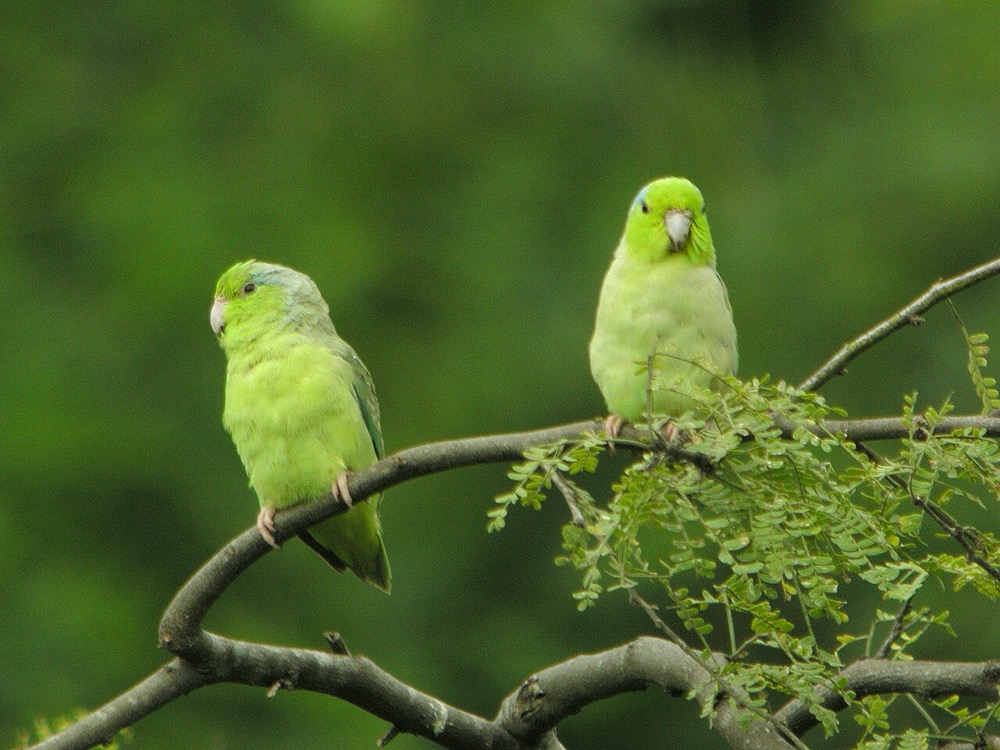
Parrotlet
Forpus coelestis
Care level
Intermediate
Lifespan
15 to 20 years, and up to 25 with excellent care
Adult size
12 to 13 cm, among the smallest of all parrots
The parrotlet is a tiny parrot with an outsized, fearless personality, often described as a big parrot in a sparrow-sized body. They are bold, intelligent and can be very affectionate and even talk, but they are also feisty and territorial and will not hesitate to bite. They suit an owner who will commit to daily handling and training, since a neglected parrotlet quickly becomes nippy and wild.
Housing & setup
Despite their size, parrotlets are active and need a cage of at least 45 x 45 x 45 cm, with more space always welcome. Bar spacing must be narrow, around 1 to 1.25 cm (three-eighths to half an inch), because their small heads can slip through or become trapped in wider bars. Provide varied natural-wood perches, ladders, swings and plenty of small chewable toys. They are best kept singly for pet purposes, as in pairs one bird often dominates and bonds to its partner rather than to people.
Diet & feeding
Feed a base of formulated pellets (about 50 to 60 percent) with a small portion of a varied seed mix, plus daily fresh vegetables, dark leafy greens, legumes and small amounts of fruit. Provide a cuttlebone or mineral block for calcium, important for laying hens. Include vitamin-A-rich orange and green vegetables. Avocado, chocolate, caffeine, alcohol, onion and salty foods are toxic and must never be given.
Temperature, light & environment
Keep at a stable 18 to 28 C, away from draughts, direct sun and all kitchen fumes; being tiny, they chill and overheat quickly. Provide natural or full-spectrum light and 10 to 12 hours of quiet, dark sleep. They are energetic and need daily supervised out-of-cage time, but they are fearless and easily lost or injured, so the room must be carefully bird-proofed and closely watched. Good ventilation and dry conditions help prevent respiratory disease.
Company & handling
Parrotlets are social but do best as a single pet with committed daily human interaction, as they bond intensely and can become one-person birds. Kept in pairs they usually bond to each other and become harder to tame, and can be aggressive toward other birds regardless of size. They are among the quieter parrots, chattering rather than screaming, which suits apartments. Without regular handling they revert to being wild and bitey, so consistency is essential.
Enrichment & exercise
Provide small foraging toys, shreddable paper and soft wood, ladders, swings and puzzle feeders, rotating them to keep their busy minds engaged. They love to chew, so offer a steady supply of safe destructible items. Trick and target training channels their intelligence and their fearless streak into positive behaviour. Daily flight and out-of-cage play are important for exercise and bonding.
Common health problems
Psittacosis (chlamydiosis)
Signs: Fluffed posture, lethargy, nasal or eye discharge, laboured breathing and lime-green droppings.
Prevention: Quarantine and vet-test new birds and keep housing clean and ventilated; the disease is transmissible to people.
Chronic egg laying and egg binding
Signs: A hen straining, sitting fluffed on the floor, tail bobbing and a swollen abdomen; a stuck egg is a life-threatening emergency in such a tiny bird.
Prevention: Limit daylight to about 10 to 12 hours, remove nest-like hiding spots, discourage overbonding, and provide calcium and vitamin D3.
Avian polyomavirus
Signs: Lethargy, poor feathering, abdominal swelling and sudden death, especially in young birds; small parrots are highly susceptible.
Prevention: Buy from a clean, tested source, quarantine new birds, maintain strict hygiene, and discuss vaccination and testing with an avian vet.
Obesity and feather plucking
Signs: Weight gain and fatty lumps, or bald patches and over-preening from a seed-heavy diet and boredom.
Prevention: Feed a pellet-based varied diet rather than fatty seed, provide daily flight and enrichment, and rule out medical causes with an avian vet.
See a vet urgently if...
- !Fluffed up and sitting on the cage floor, not perching
- !Tail bobbing at rest or open-mouth, laboured breathing
- !A hen straining with a swollen abdomen or a stuck egg
- !Not eating, sudden weight loss or a still, sunken posture
- !Bleeding, a broken blood feather, or sudden collapse
In Macau
Being tiny, parrotlets lose and gain heat fast, so protect them from Macau's summer heat and from air-conditioning draughts, and keep housing dry and ventilated against fungal disease. They are pleasantly quiet for apartment living. Non-stick (PTFE) cookware and appliance fumes are rapidly fatal to such small birds, so keep them well away from the kitchen. Buy from a reputable breeder, ask about polyomavirus and PBFD testing, and quarantine before mixing with any other bird.
Parrotlets are the smallest true parrots kept as pets yet behave like miniature Amazons, and despite fitting in a teaspoon many learn to say a dozen or more words in a tiny, gruff little voice.
Questions about your exotic pet?
Our team sees small mammals, birds, reptiles and fish. Book a wellness check or a species consult.
Book an exotic consultRelated care sheets
General guidance reviewed by the Royal Veterinary Center team. Not a substitute for a veterinary examination. Always confirm species-specific and legal requirements for Macau.