Small Mammals
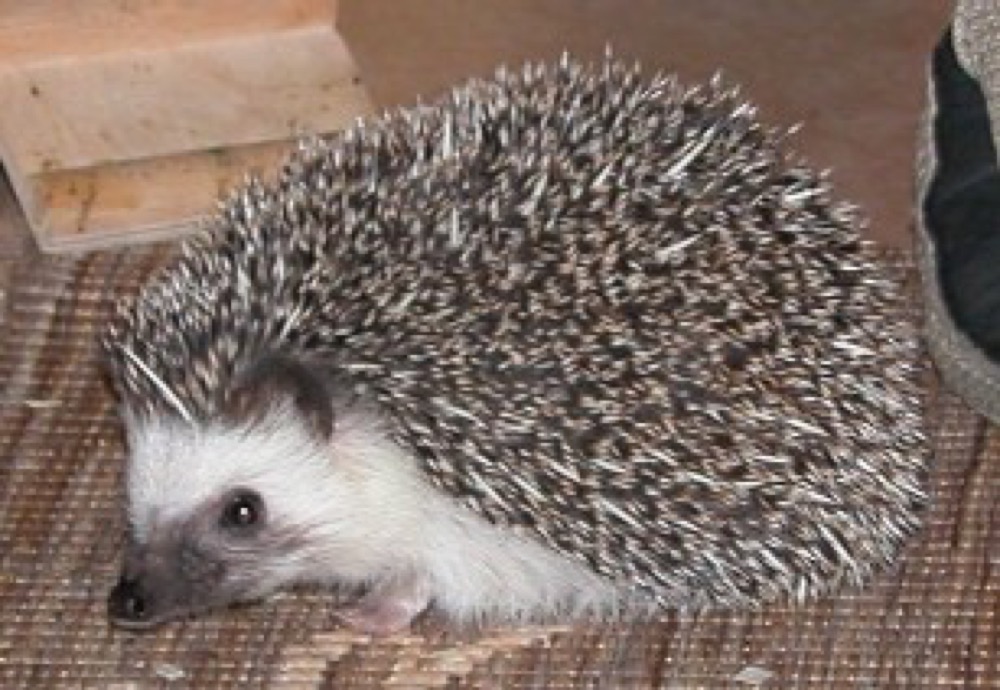
African Pygmy Hedgehog
Atelerix albiventris
Care level
Intermediate
Lifespan
4 to 6 years
Adult size
300 to 700 g
African pygmy hedgehogs are small, spiny, solitary night creatures that can become charming once patiently tamed. They are quiet and compact but have specialist needs, above all a warm, stable temperature and a specialist exotics vet. They are best suited to a calm owner who enjoys watching a foraging, snuffling nocturnal companion.
Housing & setup
Provide a large single level enclosure with a solid floor, a minimum of around 0.8 square metres and bigger is better, using a vivarium or large barred cage with narrow spacing. Use dust free paper based bedding or fleece liners for burrowing and hiding, and include a hide, a large solid running wheel of at least 30 cm, and a shallow litter area. The most important fixture is reliable heating, since the enclosure must stay consistently warm. Keep it out of draughts and direct sun.
Diet & feeding
Hedgehogs are insectivores that do well on a high protein, moderate fat, low carbohydrate diet: feed a quality high meat cat food or a purpose made hedgehog food as the base, plus a variety of insects such as mealworms, crickets and dubia roaches. Offer small amounts of cooked meat or egg and a little vegetable occasionally. Fresh water should always be available from a bowl. They gain weight easily, so measure food and avoid fatty overfeeding, sugary treats and excessive mealworms.
Temperature, light & environment
Stable warmth is the single most important factor: keep them at about 22 to 27 degrees Celsius using a thermostatically controlled heat source, because temperatures below roughly 22 degrees Celsius trigger dangerous, potentially fatal attempts at hibernation. Provide a warm side and a slightly cooler side, good ventilation and a consistent light and dark cycle. They are nocturnal and need quiet, dark days and about 12 to 14 hours of light to prevent hibernation cues.
Company & handling
African pygmy hedgehogs are solitary and should be housed alone, as they do not seek company and adults may fight or become stressed together. They can be tamed with regular gentle handling and become used to their owner's scent, though a nervous hedgehog will ball up and huff. Handle patiently and often, ideally in the evening when they are naturally awake.
Enrichment & exercise
A large solid wheel is essential both for exercise and to prevent obesity, and hedgehogs run remarkable distances each night. Provide tunnels, hides, dig boxes, foraging opportunities such as scattered insects, and safe supervised floor time to explore. Rotating novel scents and objects keeps their curious noses engaged.
Common health problems
Wobbly hedgehog syndrome (WHS)
Signs: Progressive wobbling, falling to one side, tremors, muscle wasting and eventual paralysis, often starting before 2 years
Prevention: Not preventable and untreatable, so buy from reputable breeders avoiding affected lines and seek supportive veterinary care
Obesity
Signs: Fat rolls, inability to curl fully into a ball, reduced activity, lethargy
Prevention: Measured portions, a large wheel and daily exercise, and limiting fatty treats such as excess mealworms
Hibernation attempts
Signs: Cool to the touch, wobbly or unsteady, sluggish, reduced appetite, curling tightly and unresponsive
Prevention: Maintain a constant 22 to 27 degrees Celsius with reliable thermostat controlled heating and gently warm a cold hedgehog while seeking a vet
Mites and skin disease
Signs: Flaky skin, dropped or dull quills, itching, crusty patches
Prevention: Clean dust free bedding, quarantine new bedding, regular skin checks and prompt veterinary treatment
See a vet urgently if...
- !Cold, wobbly or sluggish (possible hibernation attempt)
- !Progressive wobbling, weakness or loss of coordination
- !Not eating for more than 12 hours
- !Laboured breathing
- !Unable to curl up, or a rapidly growing lump
In Macau
Macau's climate is a double challenge for hedgehogs: air conditioning risks chilling them below the safe 22 degrees Celsius and triggering hibernation, so pair it with a thermostat controlled heat source and monitor the enclosure temperature closely. Confirm the legal status of keeping them and find an exotics vet experienced with hedgehogs, as care can be specialised and hard to source locally.
When a hedgehog smells something new or strong it produces frothy saliva and contorts to spread it over its spines, a bizarre behaviour called self anointing whose purpose is still debated.
Questions about your exotic pet?
Our team sees small mammals, birds, reptiles and fish. Book a wellness check or a species consult.
Book an exotic consultRelated care sheets
General guidance reviewed by the Royal Veterinary Center team. Not a substitute for a veterinary examination. Always confirm species-specific and legal requirements for Macau.