Small Mammals
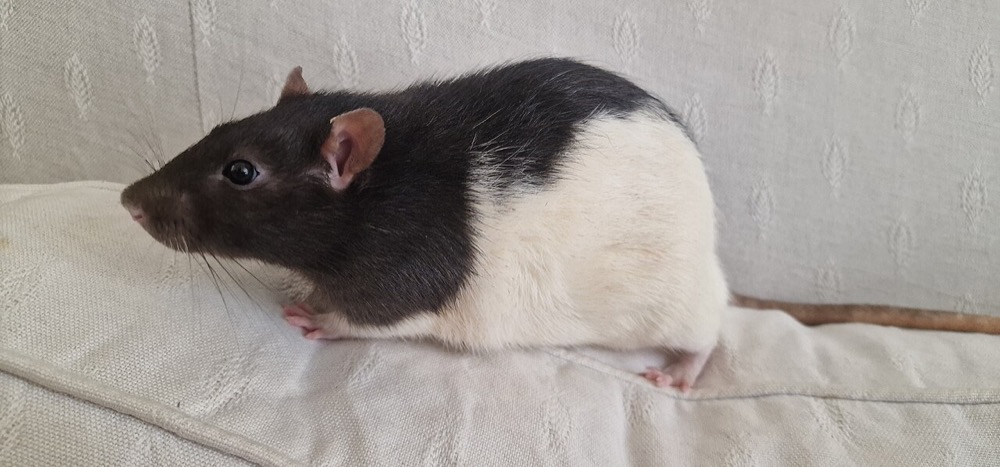
Fancy Rat
Rattus norvegicus
Care level
Beginner
Lifespan
2 to 3 years
Adult size
250 to 500 g (males larger)
Fancy rats are among the most intelligent, affectionate and interactive of all small pets, quickly learning their names, tricks and their owner's routine. They bond deeply with people and with each other, and love to snuggle, play and explore. Their main drawbacks are a short lifespan and a tendency to health problems, so they reward attentive care.
Housing & setup
Rats need a tall, multi level wire cage with narrow bar spacing and solid floors: aim for a minimum of around 60 by 40 by 50 cm for a pair, and much larger for a group. Add ropes, hammocks, platforms, hides and deep litter, using paper based bedding and avoiding pine or cedar shavings which irritate their sensitive lungs. Give good ventilation but no draughts, and keep the cage clean since ammonia from urine worsens respiratory disease.
Diet & feeding
Feed a complete, balanced rat nappy or lab block as the staple, supplemented with small amounts of fresh vegetables, fruit and occasional lean protein. Fresh water must always be available from a bottle. Keep treats and fatty or sugary foods minimal to prevent obesity. Avoid a seed heavy muesli that lets them pick out fatty bits, and skip toxic items such as chocolate, citrus for males, and raw sweet potato.
Temperature, light & environment
Keep rats at a comfortable 18 to 26 degrees Celsius with good ventilation and low ammonia, as they are very sensitive to respiratory irritants and to heat above about 27 degrees Celsius. Provide moderate humidity and a natural light and dark cycle, since they are most active at dusk and night. Avoid aerosols, smoke and dusty bedding near the cage.
Company & handling
Rats are intensely social and should never live alone: keep at least a same sex pair or a small group, as isolation causes real distress. Same sex groups usually live together happily, and neutering can help mix sexes or calm hormonal males. They are highly trusting and enjoy frequent gentle handling, riding on shoulders and interactive play once bonded.
Enrichment & exercise
Rats crave mental stimulation: provide out of cage playtime daily, plus climbing ropes, hammocks, tunnels, digging boxes, foraging puzzles and new objects to investigate. They can learn to come when called and to do simple tricks for treats. Rotate toys and rearrange the cage to keep their clever minds busy.
Common health problems
Respiratory disease (Mycoplasma)
Signs: Sneezing, snuffling, laboured breathing, red porphyrin staining around eyes and nose, weight loss
Prevention: Dust free paper bedding, excellent ventilation, low ammonia, avoiding cedar or pine and prompt antibiotic treatment
Mammary and other tumours
Signs: A soft or firm lump anywhere on the body, often near the belly or armpit, that grows over weeks
Prevention: Regular body checks, healthy weight, and early surgical removal, with spaying reducing mammary tumour risk in females
Pituitary tumour
Signs: Loss of coordination, weak or clenched forepaws, difficulty eating, head tilt, behaviour change
Prevention: Not fully preventable, but a lean diet may lower risk, so seek prompt veterinary assessment of neurological signs
Bumblefoot (pododermatitis)
Signs: Red, swollen or ulcerated footpads, scabs, limping
Prevention: Solid clean cage floors, soft bedding, weight control and regular cleaning to keep feet dry
See a vet urgently if...
- !Laboured, open mouth or gasping breathing
- !Not eating or drinking for more than 12 hours
- !Sudden weakness, head tilt or inability to use the limbs
- !A rapidly enlarging or ulcerated lump
- !Heavy red discharge around the eyes and nose with lethargy
In Macau
Macau's summer heat and humidity stress rats and worsen their common respiratory disease, so keep them in a cool, well ventilated air conditioned room with dust free bedding. Source paper based litter and complete rat blocks online if local shops only stock seed mixes, and line up an exotics vet since respiratory illness needs prompt antibiotics.
Rats are ticklish and make ultrasonic chirps of laughter when playfully tickled, a happy sound too high pitched for human ears to hear unaided.
Questions about your exotic pet?
Our team sees small mammals, birds, reptiles and fish. Book a wellness check or a species consult.
Book an exotic consultRelated care sheets
General guidance reviewed by the Royal Veterinary Center team. Not a substitute for a veterinary examination. Always confirm species-specific and legal requirements for Macau.