Small Mammals
Fancy Mouse
Mus musculus
Care level
Beginner
Lifespan
1.5 to 2.5 years
Adult size
25 to 40 g
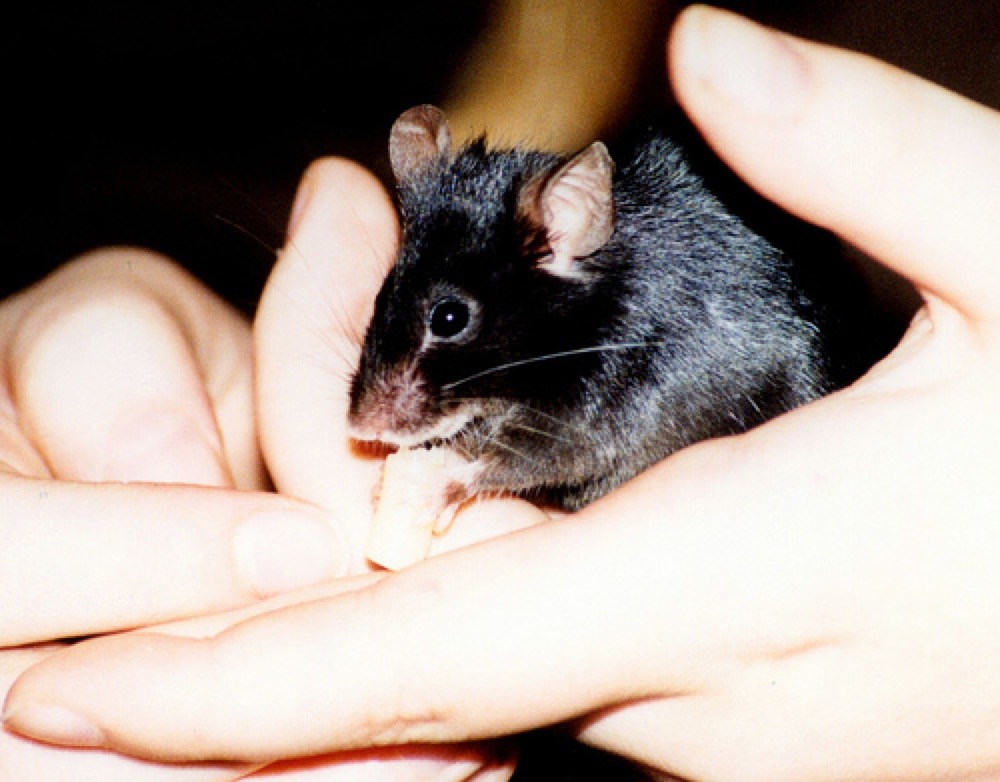
Fancy mice are tiny, quick and endlessly busy little pets that are fascinating to watch as they climb, forage and build nests. They come in a rainbow of coat colours and are best enjoyed as observation pets, since they are small and delicate to handle. Kept in the right social group, they are active and engaging companions.
Housing & setup
Provide a well ventilated tank or narrow barred cage with plenty of floor space, a minimum of about 45 by 30 cm for a small group and more where possible, with several centimetres of paper or aspen bedding for burrowing and nesting. Add a solid wheel of at least 15 cm, tunnels, hides, ropes and chew toys to use the vertical space they love. Use paper based bedding rather than pine or cedar, and clean regularly since mouse urine, especially from males, is strongly scented.
Diet & feeding
Feed a quality mouse or rodent seed and grain mix or lab block as the staple, with small amounts of fresh vegetables and occasional protein such as a mealworm. Constant fresh water from a bottle is essential. Scatter feed to encourage natural foraging and keep portions small, as mice are prone to obesity and selective feeding. Avoid sugary, fatty or sticky treats and any toxic foods such as chocolate and citrus.
Temperature, light & environment
Keep mice at about 18 to 24 degrees Celsius with good ventilation and low humidity, away from direct sun, draughts and heat sources. They are nocturnal and need quiet, dark days to rest. Their delicate lungs are sensitive to ammonia and dust, so ensure airflow and dust free bedding.
Company & handling
Mice are social and should not live alone: females live well in same sex groups, while adult males often fight seriously and are usually best kept singly or, with care, neutered before mixing. Introduce females young and provide plenty of space to reduce squabbles. They are small and fast, so handle gently and low over a container, using a cupped hand rather than grabbing.
Enrichment & exercise
Provide deep bedding for burrowing, a wheel, tunnels, ropes, ladders, cardboard and foraging toys to satisfy their acrobatic, exploratory nature. Scatter feeding and frequent new objects keep them mentally engaged. Nesting material such as plain tissue lets them build the cosy nests they instinctively make.
Common health problems
Respiratory infection
Signs: Sneezing, chattering breathing, laboured breathing, hunched posture, lethargy
Prevention: Dust free paper bedding, good ventilation, low ammonia, avoiding cedar and pine and prompt veterinary care
Tumours
Signs: A growing lump anywhere on the body, weight loss, reduced activity
Prevention: Regular gentle health checks, healthy weight and early veterinary assessment of any lump
Skin problems and mites
Signs: Scratching, hair loss, scabs, sores, flaky or irritated skin
Prevention: Clean housing, quarantine new bedding, avoid overcrowding and treat parasites promptly with a vet
Overgrown teeth
Signs: Drooling, weight loss, dropping food, difficulty eating
Prevention: Constant gnawing material and a suitable diet to wear the incisors, with vet trims if needed
See a vet urgently if...
- !Laboured or open mouth breathing
- !Not eating or drinking for more than 12 hours
- !Sudden lethargy, collapse or inability to move normally
- !Serious fight wounds or an animal being repeatedly attacked
- !A rapidly growing or bleeding lump
In Macau
Keep mice in a cool, air conditioned and well ventilated room during Macau's humid summers, as heat and stale air harm their sensitive lungs. Because male mouse scent can be strong in a small flat, an all female group and frequent cleaning make them easier to keep indoors.
Male mice sing complex ultrasonic love songs to attract females, with structured phrases and repeated motifs that are far too high pitched for people to hear.
Questions about your exotic pet?
Our team sees small mammals, birds, reptiles and fish. Book a wellness check or a species consult.
Book an exotic consultRelated care sheets
General guidance reviewed by the Royal Veterinary Center team. Not a substitute for a veterinary examination. Always confirm species-specific and legal requirements for Macau.