Small Mammals
Duprasi (Fat-Tailed Gerbil)
Pachyuromys duprasi
Care level
Beginner
Lifespan
5 to 7 years
Adult size
Body about 10 cm plus a club-shaped tail, weight 40 to 60 g
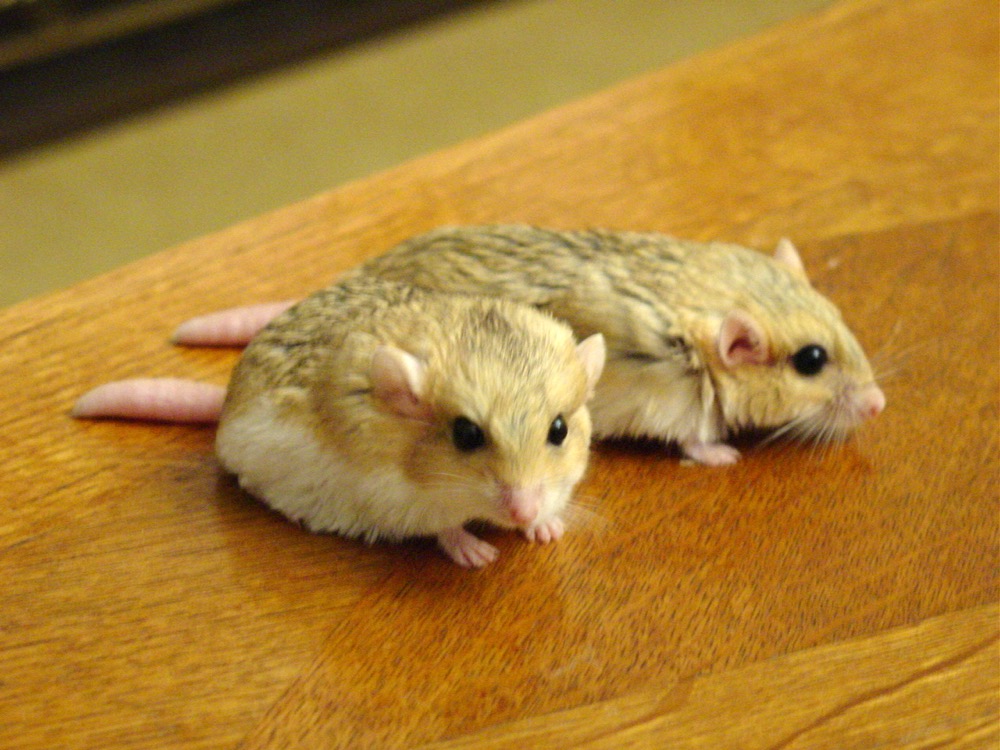
The duprasi, or fat tailed gerbil, is a calm, docile little desert rodent from North Africa, named for the plump club shaped tail in which it stores fat and moisture like a camel's hump. They are slow moving, curious and rarely bite, which makes them one of the gentler small rodents to keep, though they have a distinctive insect leaning diet and need dry, sandy housing. A rounded tail is a good sign of a well fed, healthy animal.
Housing & setup
House a duprasi in a secure glass tank or large barred cage with a solid floor and a deep layer of sand or a sand and soil mix for burrowing, at least 15 to 20 cm deep since they love to dig. Add a separate sand bath to keep the coat from becoming greasy, plus hides, tunnels, safe wood to gnaw and a solid wheel. Keep the setup dry and well ventilated, and site it out of direct sun in a warm room.
Diet & feeding
Unlike seed eating gerbils, the duprasi is strongly insectivore leaning, so live or dried insects such as mealworms and crickets should be a regular and important part of the diet, aiming for a higher protein intake of around 18 percent. Offer these alongside a good quality gerbil or hamster seed mix and small amounts of vegetables. Fresh water must always be available. Watch the tail as a health gauge, since a thin tail signals underfeeding and an overly fat one signals too many rich treats.
Temperature, light & environment
As a desert animal the duprasi needs warm, dry conditions and copes badly with damp and humidity, which can cause respiratory illness. Keep the room at about 20 to 25 degrees Celsius with dry sand, good ventilation and no direct sun or overheating. They are mainly crepuscular to nocturnal, so expect most activity in the evening and provide quiet, undisturbed rest by day.
Company & handling
Duprasi are more tolerant of solitude than most gerbils and often live perfectly happily alone, though a carefully matched same sex pair can work, especially if raised together, because sudden fallouts can happen without warning. They are exceptionally docile and tame readily with slow, gentle, regular handling, sitting calmly in the hand. Support the body and never grab the tail, which can be injured. For inexperienced keepers, a single well handled duprasi is often the safest choice.
Enrichment & exercise
Give plenty of deep sand to dig and burrow, a sand bath to roll in, and foraging opportunities by scattering seeds and hiding insects for them to hunt. Add tunnels, hides, safe gnawing wood and a solid wheel for exercise. Their inquisitive, food motivated nature makes them enthusiastic foragers when given the chance.
Common health problems
Obesity or an underweight tail
Signs: An overly fat body with a bulging tail, or a thin, shrunken tail and low energy signalling underfeeding
Prevention: Balance a protein rich insect based diet with measured seed and vegetables, and use tail thickness as a guide
Overgrown teeth (malocclusion)
Signs: Drooling, dropping food, weight loss and difficulty eating
Prevention: Provide constant safe wood and hard items to gnaw and arrange exotic vet checks if eating changes
Respiratory infection
Signs: Wheezing, clicking or laboured breathing, a runny nose, sneezing and lethargy
Prevention: Keep the enclosure dry and well ventilated, avoid dusty or damp bedding and control humidity
Greasy coat and skin problems
Signs: A matted, oily or dull coat, flaky skin and sore patches
Prevention: Provide a regular clean sand bath and keep the substrate dry and hygienic
See a vet urgently if...
- !Not eating or noticeably lethargic
- !Wheezing, clicking or laboured breathing
- !Sudden weight loss with a thin, shrunken tail
- !Drooling or difficulty eating
- !Bald, sore or wet patches on the skin or tail
In Macau
The most important local point is to keep a duprasi dry, because Macau's very humid summers can trigger respiratory illness in this desert species, so ensure excellent ventilation, dry sand and low humidity, using air conditioning to avoid both damp and overheating. Duprasi are an uncommon pet, so both stock and an experienced exotics vet may be limited locally and worth confirming before you commit.
A duprasi stores fat and water in its rounded, club shaped tail much like a camel uses its hump, so a plump, well filled tail is one of the clearest signs that the little gerbil is healthy and well fed.
Questions about your exotic pet?
Our team sees small mammals, birds, reptiles and fish. Book a wellness check or a species consult.
Book an exotic consultRelated care sheets
General guidance reviewed by the Royal Veterinary Center team. Not a substitute for a veterinary examination. Always confirm species-specific and legal requirements for Macau.