Small Mammals
Chinchilla
Chinchilla lanigera
Care level
Advanced
Lifespan
12 to 20 years
Adult size
400 to 600 g
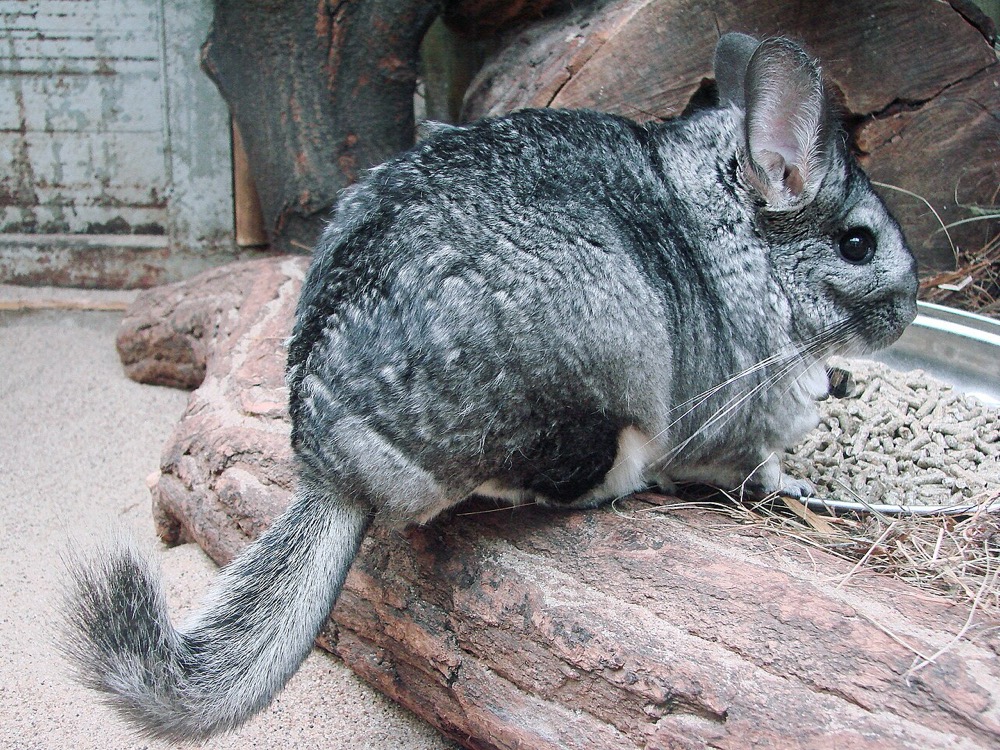
Chinchillas are soft, athletic and long lived rodents from the cool Andes, prized for the densest fur of any land mammal. They can live well into their teens, so they are a serious long term commitment rather than a starter pet. Playful and inquisitive at night, they need cool temperatures, dust baths and space to leap.
Housing & setup
Provide a tall, multi level wire cage with solid platforms and safe ramps, at least around 1 metre high with a large footprint, since chinchillas love to jump and climb. Use paper based bedding or fleece, add wooden ledges, hides, hay racks and plenty of safe wood to chew, and avoid plastic which they will gnaw and swallow. Site the cage in the coolest, quietest room away from direct sun. Provide a dust bath a few times a week rather than water bathing, as their dense fur cannot be allowed to stay damp.
Diet & feeding
The core diet is unlimited grass hay plus a small measured portion of plain chinchilla pellets, which together provide the high fibre their gut and teeth require. Fresh water must always be available. Treats should be tiny and infrequent, limited to a little plain dried herb or a single raisin at most, since their digestive system is very sensitive. Avoid fruit, nuts, seeds, fresh greens in quantity and any sugary or fatty foods, all of which can cause bloat, diarrhoea and dental issues.
Temperature, light & environment
Temperature control is the most critical part of chinchilla care: keep them at about 14 to 21 degrees Celsius, and never above roughly 25 degrees Celsius, as they overheat and can die of heat stroke rapidly, made far worse by humidity. Air conditioning is essential in warm climates, along with low humidity, excellent ventilation and no direct sun. They are crepuscular to nocturnal and need quiet, dark days to rest.
Company & handling
Chinchillas are social and often happiest in a same sex pair or with a compatible companion, though introductions must be slow and some individuals prefer to live alone. Kits and young chinchillas bond most easily. They can be tamed with patience but many dislike being restrained, so let them come to you and support the body gently, never grabbing the fur, which can shed in a stress response called fur slip.
Enrichment & exercise
Give ample out of cage time in a chinchilla proofed room to run, jump and explore, plus platforms, tunnels, wooden bridges and a solid large wheel of at least 38 cm. Constant safe wood and pumice chews satisfy their need to gnaw and protect their teeth. A regular dust bath is both grooming and enrichment they clearly enjoy.
Common health problems
Dental disease and malocclusion
Signs: Drooling, wet chin, dropping food, weight loss, reduced appetite, watery eyes
Prevention: Unlimited hay and constant chewing material to wear the continuously growing teeth, with regular exotic vet checks
Heat stroke
Signs: Red or hot ears, drooling, lethargy, laboured breathing, stretching out and collapse
Prevention: Keep below 25 degrees Celsius with air conditioning, low humidity, shade and never leave in a warm room
Fur chewing and fur slip
Signs: Patchy or bitten fur, bald patches, sudden loss of a clump of fur when handled
Prevention: Reduce stress and boredom, provide enrichment and companionship, and always handle gently
Gastrointestinal stasis and bloat
Signs: Not eating, few or no droppings, a swollen tummy, hunched posture, lethargy
Prevention: A high fibre hay based diet, no sudden diet changes, minimal treats and prompt emergency vet care
See a vet urgently if...
- !Overheating signs such as red ears, drooling or collapse
- !Not eating for more than 12 hours or no droppings
- !Laboured breathing
- !A bloated, painful abdomen
- !Sudden weakness, seizures or inability to move
In Macau
Macau's hot, humid subtropical summers are genuinely dangerous for chinchillas, so year round air conditioning kept below 25 degrees Celsius and low humidity are non negotiable before you consider one. Given their 15 plus year lifespan and specialist needs, confirm a long term exotics vet and a reliable dust bath supply, as sourcing can be limited locally.
A chinchilla grows more than fifty hairs from each follicle, giving it the densest fur of any land animal, which is exactly why it must bathe in fine dust rather than water.
Questions about your exotic pet?
Our team sees small mammals, birds, reptiles and fish. Book a wellness check or a species consult.
Book an exotic consultRelated care sheets
General guidance reviewed by the Royal Veterinary Center team. Not a substitute for a veterinary examination. Always confirm species-specific and legal requirements for Macau.