Birds
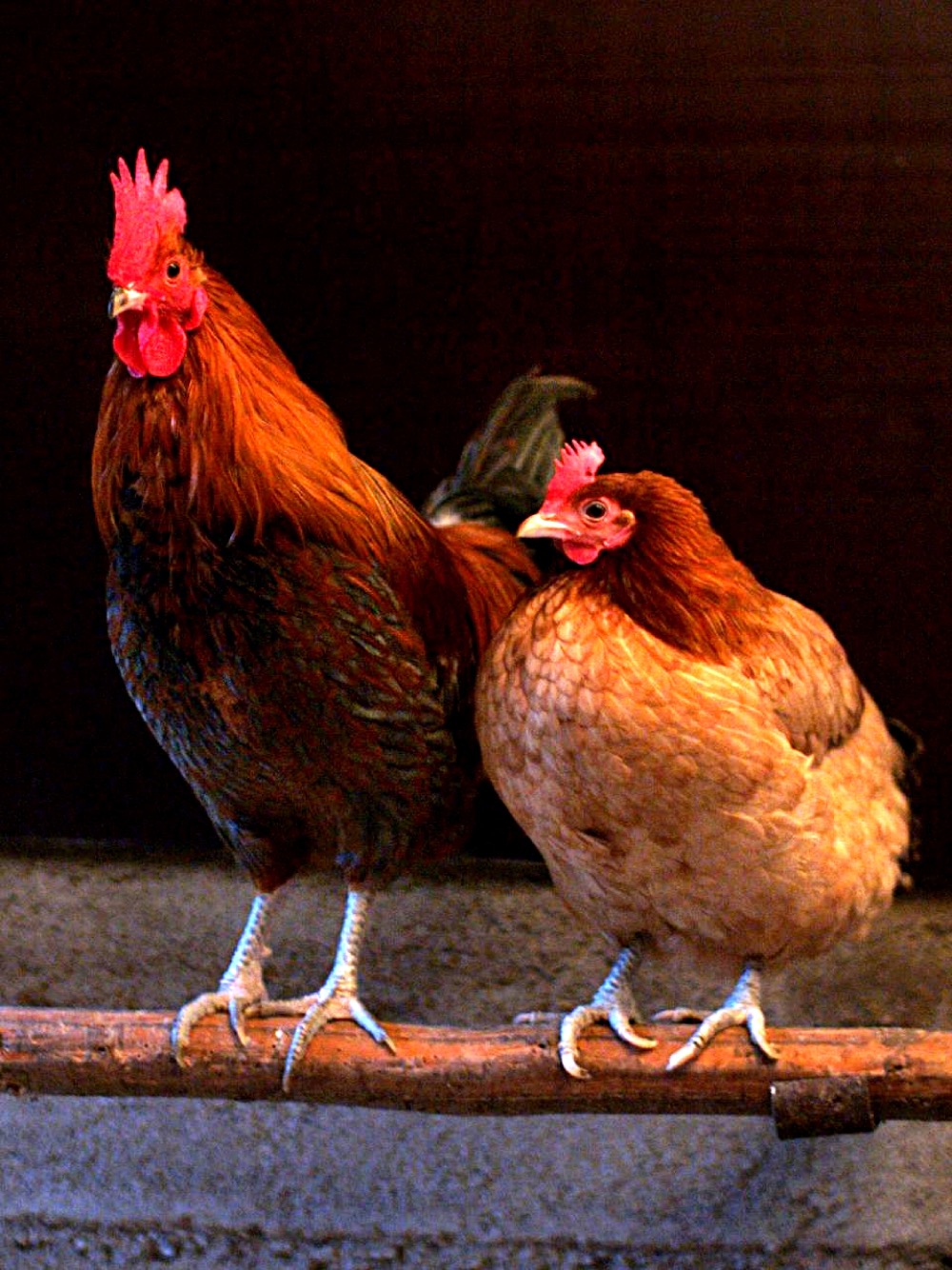
Backyard Chicken
Gallus gallus domesticus
Care level
Intermediate
Lifespan
5 to 10 years (laying breeds often only 3 to 5 due to reproductive disease)
Adult size
40 to 50 cm tall standing, breed-dependent
Backyard chickens are friendly, characterful poultry kept for fresh eggs, pest control and companionship, and many become genuine pets with individual personalities. They are social flock animals that must be kept in groups of at least three, never singly. They need secure outdoor housing, daily care and protection from predators, heat and disease, so they suit a keeper with garden space and a consistent routine rather than an apartment.
Housing & setup
Chickens need a predator-proof coop for roosting and nesting plus an attached run for daytime activity. Allow at least 0.3 to 0.4 square metres (3 to 4 square feet) of coop floor per bird and 0.9 to 1 square metre (8 to 10 square feet) of run per bird, as overcrowding causes stress, feather pecking and disease. Provide raised roosting perches, one nest box per three to four hens, good ventilation without draughts, and dry bedding. Enclose the run with sturdy wire (hardware cloth) buried or aproned at the base to keep out rats, snakes and other predators.
Diet & feeding
Feed a complete commercial layer feed (about 16 to 18 percent protein) as the base for laying hens, providing balanced nutrition and the extra calcium needed for eggshells. Offer crushed oyster shell or a separate calcium source and insoluble grit to aid digestion, plus fresh water at all times. Vegetable scraps, greens and mealworms are healthy extras in moderation. Avoid avocado, chocolate, caffeine, raw dried beans, mouldy food, onion in quantity and very salty foods, all of which are harmful.
Temperature, light & environment
Chickens tolerate a range of temperatures but suffer in extreme heat, so provide shade, ventilation and cool water in summer and shelter from cold, damp and wind in winter. Keep bedding dry to prevent respiratory disease and parasites. They naturally follow daylight, roosting at dusk and rising at dawn, and hens need adequate light for laying. Allow safe supervised free-ranging or a spacious run for foraging and dust bathing, which are essential natural behaviours.
Company & handling
Chickens are flock animals with a defined pecking order and must be kept in groups of at least three for social wellbeing; a lone chicken becomes stressed and lonely. They interact through soft clucking and, in hens, the loud egg song, while roosters crow loudly and repeatedly, which is often restricted in urban areas. They enjoy human company and can become tame and affectionate. Introducing new birds should be done gradually to manage pecking-order conflict.
Enrichment & exercise
Provide space to forage, scratch and dust bathe, which are the most important natural enrichments. Add perches at varying heights, hanging vegetables, scatter-fed grain, straw bales to explore and a dust-bathing area of dry sand or soil. Rotating free-range areas keeps foraging interesting and reduces boredom-driven feather pecking. Simple objects like pecking blocks and safe garden access keep the flock active and content.
Common health problems
Marek's disease
Signs: Progressive paralysis of a leg or wing, weight loss, greying of the iris and tumours; a common herpesvirus of chickens with no cure.
Prevention: Buy chicks vaccinated against Marek's at day-old from the hatchery, practise good biosecurity, and isolate sick or new birds.
Egg binding (dystocia)
Signs: A hen straining, a penguin-like upright stance, tail pumping, sitting fluffed and lethargic, and a swollen abdomen; it is an emergency.
Prevention: Provide adequate calcium via layer feed and oyster shell, avoid over-breeding and obesity, ensure correct light cycles, and seek prompt veterinary care.
External and internal parasites (red mite, lice, worms)
Signs: Pale comb, feather loss, restlessness and itching, a drop in laying and anaemia; red mite feed at night and hide in coop crevices.
Prevention: Clean and inspect the coop regularly (check for mites at night), provide dust baths, deworm as advised by a vet, and quarantine new birds.
Respiratory disease (infectious bronchitis, mycoplasma, avian influenza)
Signs: Sneezing, nasal and eye discharge, swollen sinuses, rattly or open-mouth breathing and a drop in laying.
Prevention: Provide dry, well-ventilated housing without draughts, practise strict biosecurity, isolate new and sick birds, and report suspected notifiable disease such as avian influenza.
See a vet urgently if...
- !Sitting hunched and fluffed, isolated from the flock and not eating
- !Open-mouth or rattly breathing, or discharge from eyes and nostrils
- !A hen straining with an upright penguin stance (possible egg binding)
- !Sudden paralysis, inability to stand or a drooping wing or leg
- !Pale comb, blood in droppings, or a swollen, firm abdomen
In Macau
Keeping backyard chickens is not permitted in Macau, so this guide is written for readers elsewhere; within Macau please do not keep poultry at home. Where chickens are legal, urban space is scarce, so keeping them needs a suitable garden or rooftop and awareness of local rules, which often restrict roosters for noise. The hot, humid climate raises the risk of heat stress, red mite and respiratory disease, so prioritise shade, ventilation and dry housing. Avian influenza controls are taken seriously across the region, so maintain strict biosecurity, keep the flock away from wild birds, and report any sudden illness or deaths. Source healthy vaccinated birds from a reputable supplier and quarantine new additions.
Chickens are far smarter than their reputation suggests: they recognise over a hundred individual faces (including human ones), use more than 20 distinct calls with specific meanings, and can anticipate the future by holding out for a better food reward.
Questions about your exotic pet?
Our team sees small mammals, birds, reptiles and fish. Book a wellness check or a species consult.
Book an exotic consultRelated care sheets
General guidance reviewed by the Royal Veterinary Center team. Not a substitute for a veterinary examination. Always confirm species-specific and legal requirements for Macau.