Birds
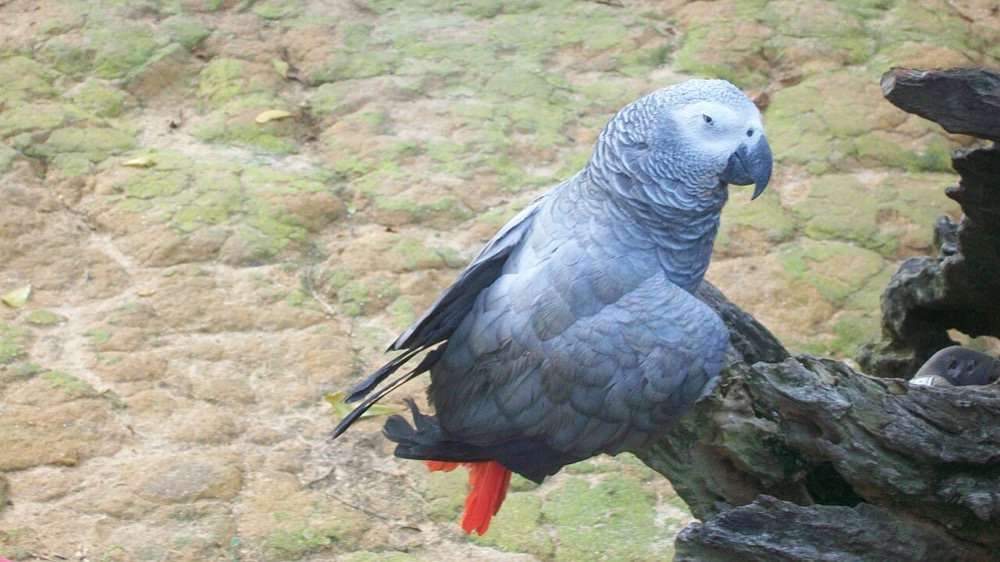
African Grey Parrot
Psittacus erithacus
Care level
Advanced
Lifespan
40 to 60 years (commonly 40 to 50 with good care)
Adult size
About 33 cm (Congo African grey)
The African grey is widely regarded as one of the most intelligent of all parrots, capable of large vocabularies and genuine contextual use of words. That intelligence brings intense needs: they are sensitive, easily bored or stressed, prone to feather plucking, and require decades of committed, experienced care. They are a lifelong companion for a dedicated advanced owner, not a beginner or casual pet.
Housing & setup
Provide a large, strong cage of at least 90 x 60 x 120 cm, and bigger is strongly preferred given their size, intelligence and long lifespan. Bar spacing should be about 2 to 2.5 cm (three-quarters to one inch) and bars must be robust, as greys are powerful chewers. Include thick natural-wood perches of varying diameters, sturdy toys, foraging stations and climbing structures. Place the cage where the bird is part of family life but also has a calmer retreat, since greys value both company and security.
Diet & feeding
Feed a high-quality pelleted diet (about 70 percent) with limited seed and a generous daily variety of fresh vegetables, dark leafy greens and some fruit. African greys have a notably high calcium requirement and are prone to hypocalcaemia, so provide calcium-rich vegetables, a cuttlebone, and vitamin D3 through pellets or safe UVB exposure to help absorption. Avoid all-seed diets, which are dangerously deficient. Avocado, chocolate, caffeine, alcohol, onion and salty foods are toxic and must never be offered.
Temperature, light & environment
Keep at a stable 18 to 28 C, away from draughts, direct sun and every source of kitchen fumes. Provide access to natural light or full-spectrum UVB lighting to support calcium metabolism, and ensure 10 to 12 hours of quiet, dark, undisturbed sleep, as greys are prone to stress and night anxiety. They benefit from regular bathing or misting, which is especially important in dry indoor air to keep skin and feathers healthy. Several hours of supervised out-of-cage time and mental engagement daily are essential.
Company & handling
African greys are highly social and form deep bonds, but they are also famously sensitive and can become stressed, phobic or feather-destructive with change, boredom or too little interaction. They need substantial daily attention and mental stimulation from an experienced owner. Noise-wise they are moderate, tending to talk, whistle and mimic household sounds rather than scream constantly, but they can be loud at times. They do not adapt well to being rehomed, so their long life demands a stable, committed household.
Enrichment & exercise
Greys need intense mental enrichment: complex foraging toys, puzzle feeders, food hidden in wrapped or layered containers, and a constant rotation of destructible chew items. Teaching words, sounds, tricks and problem-solving tasks channels their formidable intelligence and prevents the boredom that drives plucking. Regular novelty, training sessions and social interaction are as important as physical toys. Flight or wing exercise and daily out-of-cage time round out their needs.
Common health problems
Hypocalcaemia (low blood calcium)
Signs: Weakness, trembling, falling off the perch, incoordination, and in severe cases seizures, most often in birds aged 2 to 5 years; African greys are especially prone.
Prevention: Feed a balanced calcium-rich diet rather than seed, provide a cuttlebone and vitamin D3 or UVB light, and monitor calcium at avian vet checks.
Feather-destructive behaviour (plucking)
Signs: Bald or damaged feathers over the body with the head feathers left intact, over-preening and chewed feathers, driven by stress, boredom, low humidity or illness.
Prevention: Provide rich enrichment, foraging, regular bathing and humidity, consistent routine and sleep, and have an avian vet investigate medical causes early.
Psittacine beak and feather disease (PBFD)
Signs: Progressive feather dystrophy and loss, beak abnormalities and immune suppression that leaves the bird vulnerable to infection.
Prevention: Quarantine and PBFD-test new birds, maintain strict biosecurity, and avoid contact with birds of unknown health status.
Aspergillosis (fungal respiratory infection)
Signs: Laboured breathing, tail bobbing, voice change, lethargy and weight loss; African greys are particularly susceptible.
Prevention: Keep housing clean, dry and well ventilated, avoid mould and damp, reduce stress, and support the immune system with good nutrition.
See a vet urgently if...
- !Fluffed up and sitting on the cage floor, unable to perch
- !Tail bobbing at rest, open-mouth breathing or wheezing
- !Trembling, wobbliness, falling off the perch or a seizure
- !Not eating, regurgitating or sudden noticeable weight loss
- !Bleeding, a broken blood feather, or sudden collapse
In Macau
Macau's humidity raises the risk of aspergillosis, so keep housing scrupulously clean, dry and ventilated, while the same humidity can help their skin if you still bathe them regularly. Their long 40 to 60 year life is a multi-decade commitment to plan for in a flat, and their calls, though moderate, may carry to neighbours. Non-stick (PTFE) cookware, air fryers and self-cleaning ovens release fumes that kill greys within minutes, so keep them far from the kitchen. Buy only from a reputable, ethical source (greys are heavily affected by illegal trade), request PBFD testing, and involve an avian vet from the start.
An African grey named Alex, studied for 30 years, learned to identify colours, shapes and materials, count, and grasp the concept of zero, showing cognitive abilities once thought unique to primates and young children.
Questions about your exotic pet?
Our team sees small mammals, birds, reptiles and fish. Book a wellness check or a species consult.
Book an exotic consultRelated care sheets
General guidance reviewed by the Royal Veterinary Center team. Not a substitute for a veterinary examination. Always confirm species-specific and legal requirements for Macau.