Reptiles & Amphibians
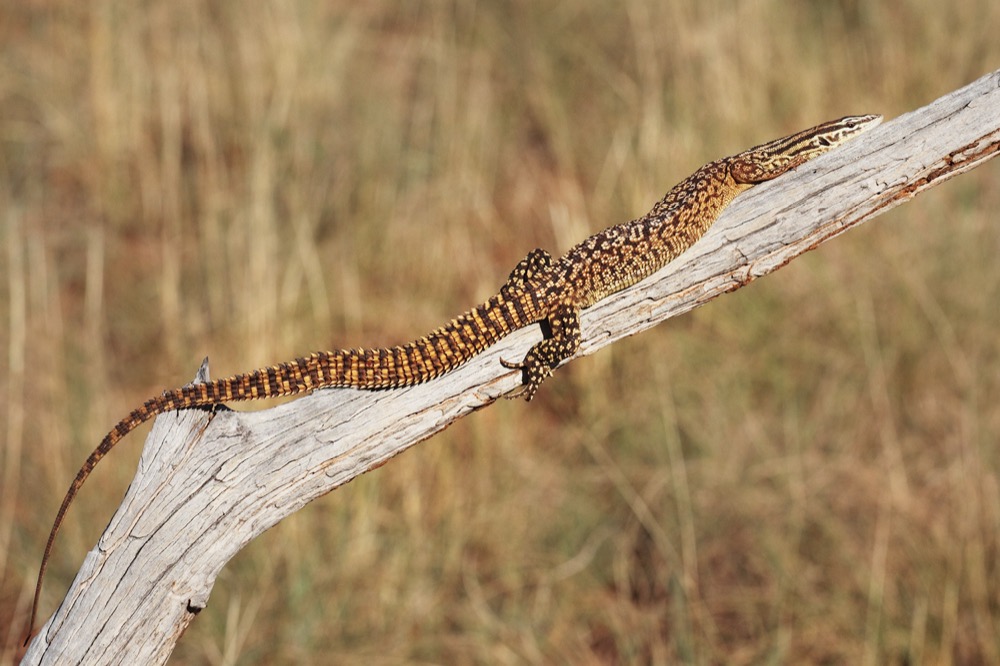
Ackie Monitor (Spiny-Tailed Monitor)
Varanus acanthurus
Care level
Advanced
Lifespan
15 to 20 years
Adult size
60 to 75 cm including tail
A small, intelligent Australian dwarf monitor with a spiny tail, endless curiosity and genuine problem-solving ability, often described as the best monitor for a dedicated keeper. Ackies are fast, active diggers that need extreme basking heat, deep substrate and a large enclosure, but reward that effort with dog-like alertness and interactive behaviour. They are a serious commitment rather than a beginner lizard.
Housing & setup
Ackies need a large, robust, front-opening enclosure with a minimum footprint of about 120 x 60 x 60 cm for one, with bigger strongly preferred as they are highly active. The defining requirement is a deep layer of diggable, moisture-holding substrate, ideally 30 to 45 cm of a topsoil, sand and clay mix that holds burrows, since ackies dig extensive tunnels and need humid retreats underground. Provide a raised stacked-rock or slate basking area under the lamp, plenty of hides, cork and branches, and a water bowl. The burrow humidity, not the air, keeps them hydrated.
Diet & feeding
An active insectivore and carnivore. Feed a varied diet of gut-loaded insects such as crickets, dubia roaches, locusts, black soldier fly larvae and the occasional pinky mouse or lean whole prey for adults. Dust insects with calcium at most feeds and a multivitamin once or twice weekly. Feed juveniles daily and adults several times a week, adjusting to avoid obesity, which is common in captive monitors. A varied, insect-heavy diet with occasional larger prey keeps them lean and healthy.
Temperature, light & environment
Ackies need a very hot, focused basking spot. Provide a basking surface of about 55 to 65 C over a tight stack of rocks (using a cluster of halogen bulbs on a thermostat), a warm ambient of 30 to 35 C and a cool end of 26 to 28 C, dropping to around 24 to 25 C at night. Strong UVB is essential: use a high-output T5 tube (around 12 to 14 percent) giving a basking UVI of about 4.0 to 6.0 (Ferguson Zone 3 to 4) at the monitor's back. Keep the air fairly dry at 20 to 50 percent while the deep substrate stays humid below (around 80 percent). Run a 12 to 14 hour photoperiod.
Company & handling
Usually kept singly, though experienced keepers sometimes maintain a compatible pair or group in a very large enclosure with multiple basking and hiding sites. Housing must allow every animal its own hot spot and burrow, or dominant individuals bully and injure others. Ackies can become remarkably tame and interactive with regular gentle handling and food-based trust building, and their intelligence makes them highly responsive to their keeper.
Enrichment & exercise
Ackies thrive on complexity: deep substrate for real tunnelling, stacked rocks and cork for climbing and basking, multiple hides, and puzzle or scatter feeding to make them work for food. Novel objects, rearranged terrain and foraging challenges suit their intelligence and curiosity, and a large, varied enclosure is itself the most important enrichment for this active, exploratory lizard.
Common health problems
Metabolic bone disease (MBD)
Signs: Soft or swollen jaw, bowed or bumpy limbs, tremors, weakness, difficulty climbing and digging
Prevention: Provide strong correctly mounted UVB replaced on schedule, calcium-dusted insects, and a very hot basking zone
Obesity and fatty liver disease
Signs: Bulky body with fat deposits, lethargy, reduced activity, poor breeding, decline in condition
Prevention: Feed a lean, varied insect-based diet, avoid excess fatty prey, and provide a large enclosure that encourages activity
Respiratory infection
Signs: Open-mouth breathing, mucus or bubbles from the nose or mouth, wheezing, lethargy
Prevention: Keep the basking zone hot, maintain dry air over humid substrate, and provide good ventilation
Impaction
Signs: Straining, no droppings, bloating, loss of appetite, sluggishness
Prevention: Keep the basking zone hot enough to digest, feed correctly sized prey, and provide proper humid substrate and hydration
See a vet urgently if...
- !Soft or swollen jaw and bowed limbs (MBD)
- !Open-mouth breathing with mucus (respiratory infection)
- !Straining with no droppings (impaction)
- !Marked obesity or sudden loss of activity and appetite
- !Failure to reach the hot basking spot or persistent weakness
In Macau
Ackies need an intensely hot basking spot but relatively dry surface air over humid deep substrate, which takes careful management in humid Macau, so prioritise ventilation and a powerful thermostatted basking cluster. A hot summer room can push a closed enclosure too high, so monitor the cool end and use thermostats on every heat source. Replace the strong UVB tube every 6 to 12 months, and buy captive-bred animals, which are established in the hobby and far better suited to captivity than wild stock.
Ackie monitors are genuine problem solvers that can learn to count small numbers of prey items and recognise their keeper, giving them a curious, dog-like intelligence unusual among lizards.
Questions about your exotic pet?
Our team sees small mammals, birds, reptiles and fish. Book a wellness check or a species consult.
Book an exotic consultRelated care sheets
General guidance reviewed by the Royal Veterinary Center team. Not a substitute for a veterinary examination. Always confirm species-specific and legal requirements for Macau.