Fish & Aquatics
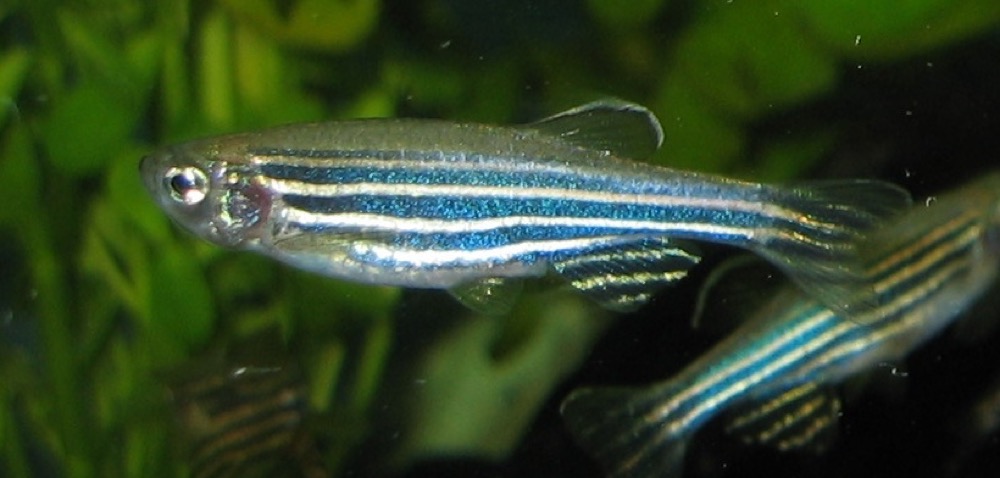
Zebra Danio
Danio rerio
Care level
Beginner
Lifespan
3 to 5 years
Adult size
4 to 5 cm
Zebra danios are small, striped, endlessly energetic schooling fish and among the toughest and most forgiving of all beginner aquarium fish. They are relentless, fast swimmers that dart around the tank all day, and they tolerate one of the widest ranges of water conditions of any community fish, including cooler temperatures that many tropicals cannot handle. Kept in a good sized shoal they are lively, confident and great fun to watch.
Housing & setup
A shoal of at least six needs a minimum of about 60 litres, and a long tank is far better than a tall one because danios are tireless swimmers that use every centimetre of horizontal space. Plant the sides and back and leave a long open swimming channel down the middle. Fit a lid, as these active fish are capable jumpers, especially when startled or during feeding.
Diet & feeding
Zebra danios are omnivorous micro predators, so feed a good quality flake or micro pellet as the staple, plus frozen or live daphnia, baby brine shrimp and micro bloodworm for variety. Offer a small pinch once or twice a day that they finish quickly, since these fast eaters are easy to overfeed.
Temperature, light & environment
One of their great strengths is tolerance of cooler water, so keep them at about 18 to 24 degrees Celsius, cooler than most tropical fish and sometimes kept without a heater in a warm room. They accept a wide pH range of about 6.5 to 7.5 and soft to moderately hard water. The tank must still be cycled with ammonia at 0 and nitrite at 0 and nitrate low. Dechlorinate tap water and change about 25 percent weekly.
Company & handling
Zebra danios are true schooling fish and must be kept in groups of at least six, and ideally eight to ten or more, because in small numbers they become stressed and turn to nipping fins, with one fish often relentlessly chased. In a proper shoal they are peaceful and outgoing, though their speed and energy can bother slow or long finned tankmates, so choose robust companions.
Enrichment & exercise
A long open swimming lane is the most important feature, letting the shoal race and turn together, with plants at the sides for cover and a gentle current they enjoy playing in. Their constant activity is itself part of their charm, and a larger group behaves more naturally and confidently.
Common health problems
Ich (white spot)
Signs: White salt like spots, flashing against surfaces and clamped fins.
Prevention: Quarantine new fish, keep the temperature stable and maintain clean, cycled water.
Fin rot
Signs: Ragged or receding fins, sometimes with a milky edge, worse in long finned varieties.
Prevention: Keep water pristine and cycled, avoid overcrowding and keep a large enough shoal to reduce nipping.
Mycobacteriosis (fish tuberculosis)
Signs: Slow wasting despite eating, a curved spine, sores and gradual decline over weeks.
Prevention: Buy healthy stock, avoid overcrowding and stress, and remove affected fish, as this condition is common in danios.
Fungal infection
Signs: Fluffy white or grey cottony growths on the skin or fins.
Prevention: Maintain excellent water quality, avoid injuries and remove uneaten food promptly.
See a vet urgently if...
- !Gasping at the surface or laboured breathing
- !Progressive wasting or a curving spine despite eating
- !White spots or cottony patches appearing
- !Fins clamped and hiding away from the shoal
- !Belly swelling with raised pinecone scales
In Macau
Dechlorinate Macau tap water before use. Zebra danios are extremely hardy and tolerate cooler water than most tropical fish, so they are very forgiving for Macau beginners and are less dependent on a heater. Their tolerance also helps during power interruptions, though you should still watch that the water does not overheat during Macau's hot summers.
The zebra danio, known in science as the zebrafish, is one of the most important laboratory animals in the world, because its see through embryos let researchers watch organs and blood vessels develop in real time.
Questions about your exotic pet?
Our team sees small mammals, birds, reptiles and fish. Book a wellness check or a species consult.
Book an exotic consultRelated care sheets
General guidance reviewed by the Royal Veterinary Center team. Not a substitute for a veterinary examination. Always confirm species-specific and legal requirements for Macau.