Fish & Aquatics
Bristlenose Pleco
Ancistrus cirrhosus
Care level
Beginner
Lifespan
5 to 12 years
Adult size
10 to 15 cm
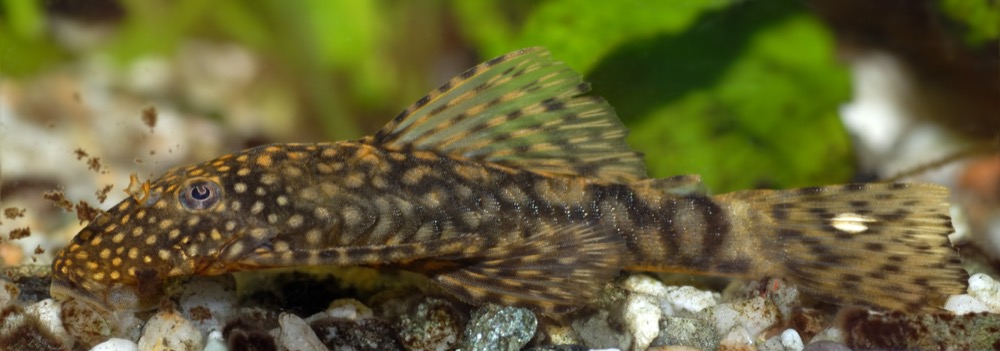
The bristlenose pleco is a small, armoured, algae grazing catfish and by far the most practical of the plecos, staying compact instead of growing to the huge size of a common pleco. It is a peaceful, mostly nocturnal bottom dweller that spends its time rasping algae and biofilm from surfaces, and adult males grow a distinctive beard of fleshy bristles on the snout. It is hardy and long lived, but needs driftwood and proper feeding rather than algae alone.
Housing & setup
Provide a minimum of about 75 litres, with at least one piece of driftwood, which is essential because these catfish rasp and consume wood fibre for healthy digestion. Add caves and hides for daytime shelter, since they are shy in daylight, and use good filtration because they produce a lot of waste. A smooth substrate and a lid complete a suitable setup.
Diet & feeding
Although they graze algae, bristlenose plecos cannot live on tank algae alone and will slowly starve without extra food, so provide sinking algae wafers and blanched vegetables such as courgette, cucumber and sweet potato, fed in the evening when they are most active. Driftwood to rasp is a genuine dietary need, not just decoration. Offer a little protein occasionally, and remove uneaten vegetables before they foul the water.
Temperature, light & environment
Keep the water at 23 to 27 degrees Celsius, pH 6.5 to 7.5, and soft to moderately hard, with good oxygenation and flow. The tank must be cycled with ammonia at 0 and nitrite at 0 and nitrate low, and because these fish are messy, keep up with filtration and water changes. Dechlorinate tap water and change about 25 percent weekly.
Company & handling
Bristlenose plecos are peaceful and can be kept singly or in a group, and they make an excellent, non aggressive addition to a community tank. Males are territorial over their caves with other male plecos, so provide several caves and hides if you keep more than one. They coexist calmly with almost all peaceful fish and largely keep to themselves.
Enrichment & exercise
Driftwood to graze and rasp, caves and shady hides, and plenty of algae and biofilm covered surfaces all suit their natural browsing behaviour. Feeding in the evening and dimming the lights encourages their most active foraging, and a varied grazing landscape keeps this busy bottom dweller occupied.
Common health problems
Malnutrition and starvation
Signs: A sunken belly, fading colour, thinness and low energy from relying on algae alone.
Prevention: Feed sinking algae wafers and blanched vegetables regularly and never assume tank algae is enough.
Bloat and constipation
Signs: A swollen abdomen, reduced appetite and difficulty passing waste.
Prevention: Always provide driftwood to rasp and plenty of vegetable fibre for healthy digestion.
Ich (white spot)
Signs: White salt like spots on the body and fins, flashing and clamped fins.
Prevention: Quarantine new fish, keep the temperature stable and maintain clean, cycled water, using scaleless safe treatment doses.
Fin rot and bacterial infection
Signs: Ragged or receding fins, red or sore patches and reddened skin.
Prevention: Keep water pristine in this high waste fish, avoid overcrowding and stay on top of filtration.
See a vet urgently if...
- !A sunken belly or visible thinness
- !A bloated, swollen abdomen
- !Gasping or rapid gill movement
- !White spots or red, sore patches on the skin
- !Listlessness and refusing to graze or feed
In Macau
Dechlorinate Macau tap water before use. Bristlenose plecos are hardy and adapt well to Macau's harder tap water, and they make a useful natural algae cleaner for warm local tanks, but you must still provide driftwood and feed sinking vegetables rather than relying on algae. Because they are scaleless catfish, use medications at the reduced doses recommended for scaleless fish, and watch oxygen levels during hot summers.
Adult male bristlenose plecos grow a bushy beard of fleshy tentacles across the snout, far longer than the female's, and researchers think the bristles may mimic a clutch of young to help males attract females to their cave.
Questions about your exotic pet?
Our team sees small mammals, birds, reptiles and fish. Book a wellness check or a species consult.
Book an exotic consultRelated care sheets
General guidance reviewed by the Royal Veterinary Center team. Not a substitute for a veterinary examination. Always confirm species-specific and legal requirements for Macau.